
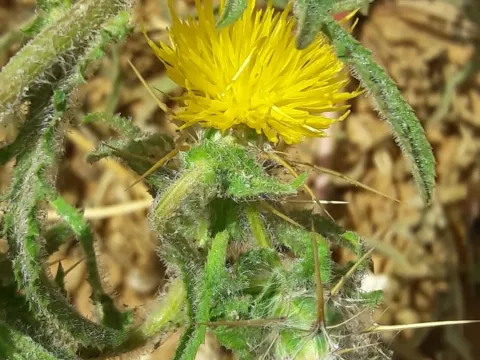
Centaurea procurrens
Centaurea procurrens
Centaurea procurrens is a perennial herbaceous plant belonging to the Asteraceae family. It is recognized for its unique vegetative characteristics and specific physiological adaptations that allow it to thrive in diverse environmental conditions.
What the section contains
Centaurea procurrens
This species primarily prefers well-drained, stony, or sandy soils. It exhibits excellent drought resistance, making it suitable for cultivation in regions characterized by low precipitation and high solar radiation.
The plant requires full sun exposure to maintain its vigor and promote prolific flowering. Soil aeration is essential; therefore, heavy clay soils prone to waterlogging should be avoided to prevent root system decay.
From an agrotechnical perspective, Centaurea procurrens does not demand high nutrient inputs. It is well-adapted to low-fertility soils, although supplemental potassium can enhance its overall resilience and structural integrity.
Beyond its botanical value, the plant serves as a vital resource for pollinators. Its inclusion in agricultural landscapes supports biodiversity and contributes to long-term soil stabilization due to its robust root architecture.
The most significant pathological threats to the crop include fungal pathogens that thrive in high humidity. Powdery mildew and various leaf spot diseases are among the most prevalent issues during rainy seasons.
Insect pests, such as aphids and spider mites, can pose a challenge, particularly during hot and dry spells. These pests target succulent parts of the plant, potentially weakening the specimen if left unmanaged.
Root-knot nematodes can also be a concern in specific soil types, necessitating proper crop rotation and the maintenance of healthy soil microbial balance to mitigate damage.
Proactive management involves ensuring adequate plant spacing to facilitate airflow, which effectively reduces the likelihood of foliage infections and limits pest proliferation.
Integrated pest management (IPM) strategies, including the use of biological control agents and resistant cultivars, are recommended to maintain high production standards while minimizing chemical input.