
Centaurea seridis
Centaurea seridis
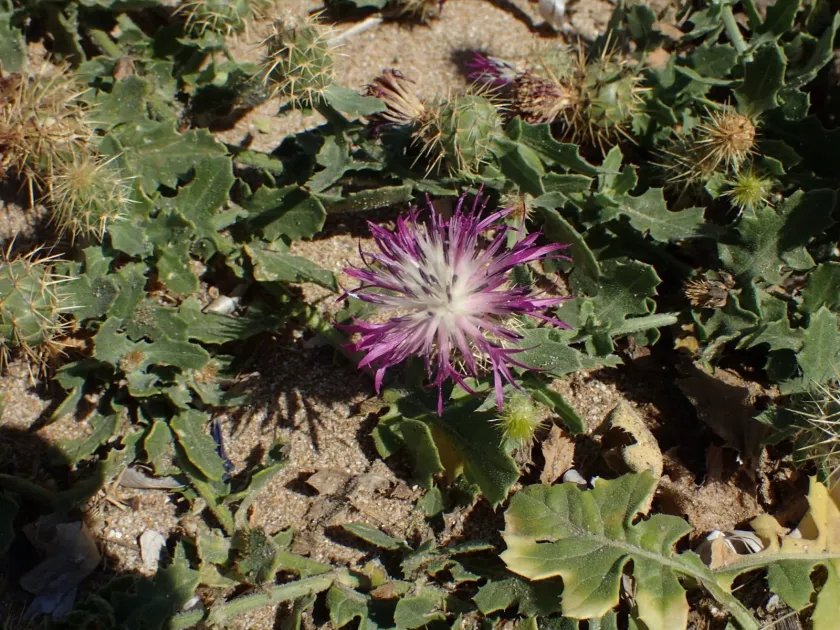
Description
Sowing dates
Sowing Centaurea seridis seeds is typically carried out in early spring to allow the plants to establish before the onset of summer heat.
The seeds demonstrate high germination rates when placed in well-drained, sandy loam substrates at an optimal temperature of around 20 degrees Celsius.
It is recommended to sow seeds in shallow rows, barely covering them with soil to ensure they receive the necessary light for uniform emergence.
In nursery production, using specialized containers for seedling development helps in creating a robust root system before transplanting.
Spacing between plants should be sufficient to prevent crowding, which facilitates proper airflow and reduces the risk of moisture-related diseases.
Growing requirements
Centaurea seridis belongs to the Asteraceae family and is recognized as a hardy xerophytic species native to Mediterranean coastal regions.
The crop thrives in nutrient-poor, alkaline to neutral soils that provide excellent drainage, as the plant is highly sensitive to waterlogging.
High solar radiation is a mandatory requirement for this plant; it prefers full sun exposure to maintain its compact growth and typical appearance.
This species is exceptionally drought-tolerant once established, requiring minimal supplemental irrigation even in arid climate conditions.
Agricultural management should prioritize minimal soil disturbance and the use of low-input fertilization strategies to maintain the plant's health.
Main diseases and pests
The primary threats to Centaurea seridis cultivation are root and crown rot pathogens, particularly when the soil drainage is inadequate.
Insect pests such as aphids can cause damage during the active growth phase, affecting the quality of the foliage and reproductive structures.
Powdery mildew may occur in environments with high humidity and poor circulation, necessitating appropriate preventive fungicide treatments.
Weed control is essential during the initial growth stages, as the plant may struggle to compete with aggressive annual weeds.
Integrated pest management practices, including the removal of infected tissues, are highly recommended to preserve the longevity of the stand.