
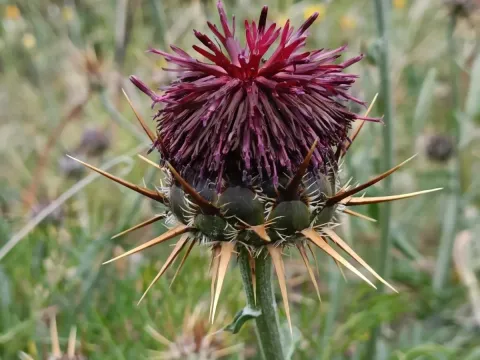
Centaurea redempta
Centaurea redempta
Centaurea redempta is a perennial herbaceous plant belonging to the Asteraceae family. Known for its distinct botanical profile, it is increasingly studied for its agricultural adaptation and potential for commercial cultivation.
What the section contains
Centaurea redempta
Originating from the Balkan region, this species has evolved to thrive in semi-arid environments. It is characterized by its ability to endure significant heat and moderate drought conditions while maintaining vegetative growth.
The plant demands well-drained soil with a neutral or slightly alkaline pH. Excessive moisture is a critical stress factor, as the root system is highly sensitive to hypoxia, which can lead to rapid decline in field productivity.
High solar irradiance is essential for the crop. Full sun exposure ensures the proper development of floral structures and the biochemical synthesis of specialized plant compounds during the active growing season.
Good agricultural practice requires maintaining adequate spacing between rows to facilitate mechanical cultivation and ensure sufficient airflow, which is paramount for the long-term health of the crop stand.
Common agricultural threats include fungal infections such as powdery mildew and rust, which often occur when environmental humidity levels are poorly managed during the peak development stage.
Insect pests, specifically aphids and certain coleopteran species, represent significant risks to both biomass and seed yield by attacking the floral buds and stems of the plant.
Integrated pest management strategies are recommended, focusing on the early detection of infestations and the use of targeted biological control agents to mitigate population growth.
Crop rotation practices should be strictly followed to prevent the accumulation of soil-borne pathogens, which are often the primary cause of failures in intensive monoculture settings.
Proper sanitation of harvesting equipment and fields after the season is vital to reduce overwintering populations of pests and minimize the risk of infection in subsequent planting cycles.