
Centaurea pullata
Centaurea pullata
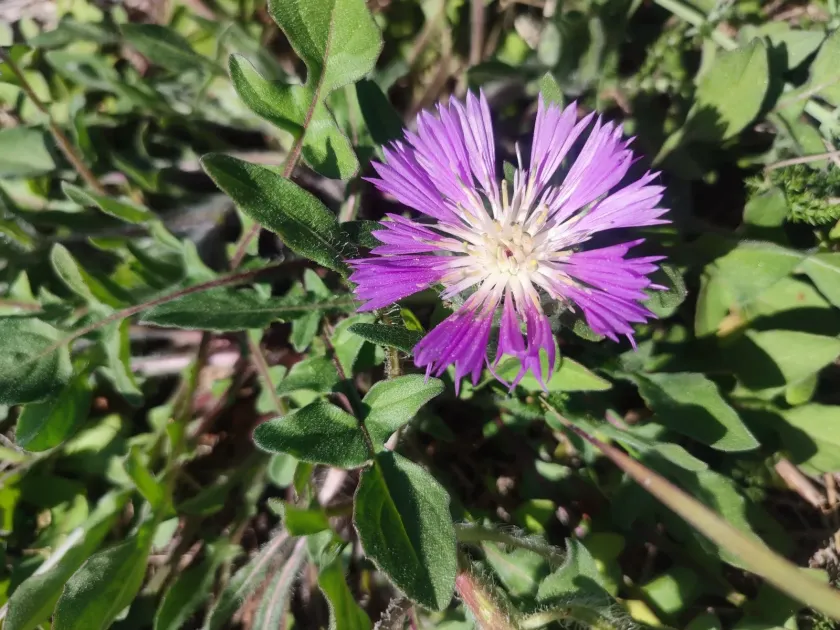
Description
Sowing dates
Centaurea pullata is an annual herbaceous plant belonging to the Asteraceae family. Sowing is typically performed in early spring once the soil temperature is consistently above 10 degrees Celsius.
Seeds should be planted at a shallow depth of 1–2 centimeters, ensuring even distribution to promote uniform germination across the field.
The crop requires sufficient moisture during the initial germination phase, but irrigation should be managed to avoid oversaturating the soil.
Row spacing is generally kept at 30–40 centimeters to allow for optimal plant development and effective weed management throughout the growing season.
Thinning out seedlings is essential after they develop several true leaves, ensuring that individual plants have enough space to produce robust stems and flowers.
Growing requirements
This species thrives in full sun exposure and is well-adapted to environments that experience high levels of solar radiation during the summer months.
Well-drained soil is critical for Centaurea pullata; it performs best in sandy or loamy soils that prevent waterlogging and facilitate healthy root respiration.
The plant demonstrates high drought tolerance, which is a key trait derived from its Mediterranean origin, making it suitable for areas with limited water availability.
Neutral to slightly alkaline pH levels in the soil are ideal for maximizing nutrient uptake and supporting the overall vigor of the crop.
Minimal fertilization is required, but a balanced application of nitrogen and potassium during the vegetative stage can enhance the structural integrity of the plant.
Main diseases and pests
Fungal infections, particularly powdery mildew, are the primary biological threats to the crop, especially in conditions characterized by poor air circulation and high humidity.
Pests such as aphids and spider mites can infest the foliage, leading to stunted growth and reduced yields if left unmanaged during the early growth phases.
Integrated pest management strategies, including the use of beneficial insects or timely application of biopesticides, are recommended for controlling infestation.
Proper field maintenance, including the systematic removal of competing weeds, significantly reduces the pressure from pests and diseases.
Implementing a crop rotation cycle is essential to prevent the buildup of soil-borne pathogens and to maintain the fertility and health of the field.