
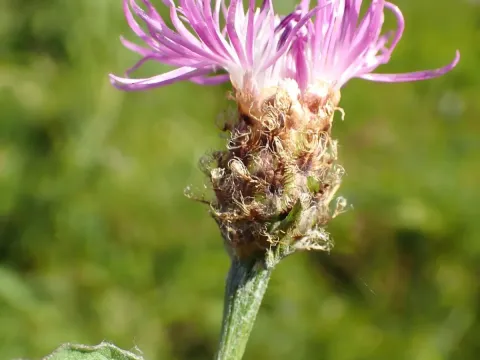
Centaurea oxylepis
Centaurea oxylepis
Centaurea oxylepis is a perennial herbaceous plant belonging to the Asteraceae family. It is recognized for its adaptive capacity in open meadow and steppe ecosystems, where it plays a role in supporting local biodiversity.
What the section contains
Centaurea oxylepis
Botanically, this species is characterized by its hardy root system and distinct floral structures. Its morphology allows it to thrive in regions where seasonal moisture fluctuations occur, showing resilience to periodic drought conditions.
The crop requires full sun exposure to achieve optimal growth and floral development. Shade-intolerant, the plant thrives in wide, open fields where photosynthetic activity is maximized during the active growing season.
Regarding soil preferences, it favors well-drained, fertile loams with a neutral pH level. It shows high adaptability to varying soil structures, though it performs best in soils with good air circulation and organic matter content.
From an agricultural standpoint, it serves as a valuable nectar source for pollinators. Its inclusion in land management can enhance the ecological balance of the surrounding area, benefiting both local flora and fauna.
Powdery mildew represents the most significant fungal threat to this species, particularly in regions with high humidity levels. Management involves ensuring proper air circulation within the canopy to prevent spore development.
Aphid infestations are a common pest problem that can affect both the vegetative and reproductive parts of the plant. Regular monitoring is essential, especially during the stage of bud formation and early flowering.
Soil-dwelling pests like wireworms can cause damage to the root system. Proper field preparation, including crop rotation with non-host species, is recommended to mitigate the risk of infestation in new plantings.
Rust diseases can occasionally affect the foliage, manifesting as orange or brown pustules. Affected plants should be identified and removed early to prevent the further spread of the infection throughout the field.
Integrated Pest Management (IPM) is the best approach for this crop, emphasizing biological controls to protect the pollinators that frequently visit the plant during its peak blooming period.