
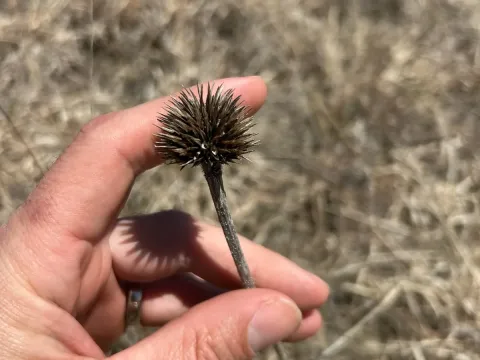
Echinacea
Echinacea
Echinacea seeds require stratification for successful germination, so sowing is typically performed in late autumn or early spring after cold treatment.
What the section contains


Echinacea
When sowing in the spring, seeds should be planted about 1.5 to 2 centimeters deep in well-prepared, fine-textured seedbeds to ensure uniform emergence.
Direct seeding in the field is possible, but using seedlings grown in greenhouse conditions is often preferred for more uniform plant establishment.
Planting density is typically adjusted so that there is enough space between rows, usually 45-60 centimeters, to allow for mechanical weeding and airflow.
Germination is generally slow and can be irregular, which makes maintaining soil moisture levels critical during the first few weeks after sowing.
Echinacea belongs to the Asteraceae family and is highly valued in the pharmaceutical industry for its immune-boosting properties and medicinal compounds.
The plant thrives in full sun exposure and requires well-drained, fertile soil, ideally sandy loam, to prevent root rot in wet conditions.
Soil pH levels should be near neutral, as high acidity or alkalinity can negatively impact the plant's ability to absorb essential nutrients.
It is moderately drought-tolerant once established, but regular irrigation is necessary during the first growing season for optimal development.
Providing adequate spacing and keeping the fields free from weeds are essential management practices during the early stages of plant growth.
The commercial lifespan of an Echinacea plantation is usually 3 to 5 years, after which the vigor of the plant often declines significantly.
Average yields of dried aerial parts (herb) typically range from 1,500 to 2,500 kilograms per hectare depending on site-specific management.
Harvesting of the roots is more labor-intensive and is usually performed every third or fourth year to maximize the accumulation of bioactive compounds.
Yield quality is determined by the concentration of alkamides and caffeic acid derivatives, which are highest during the peak blooming season.
Optimizing fertilization based on soil testing results is key to achieving consistent annual yields and maintaining the long-term health of the crop.
Powdery mildew is a common fungal disease that affects Echinacea leaves, especially during periods of high humidity and poor air circulation.
Root rot, often caused by overwatering or poorly drained soils, remains one of the most critical threats to the survival of the plantation.
Insect pests like aphids and tarnished plant bugs can damage developing flower buds and foliage, impacting both plant vigor and overall yield quality.
Integrated pest management strategies are recommended to control these threats while maintaining the standards required for herbal raw material.
Preventative measures, such as proper crop rotation and the removal of diseased plant debris, are crucial to reducing pathogen pressure in the field.
The aerial part of the plant is harvested at the onset of flowering, when the concentration of medicinal compounds reaches its biological peak.
Stems are cut using mechanized harvesters at a height that allows the plants to recover or prevents damage to the crown of the root system.
Harvested material must be dried immediately in a well-ventilated area or specialized dryer at temperatures not exceeding 45 degrees Celsius.
Roots are harvested in the autumn of the third or fourth year, cleaned thoroughly of soil, and sliced before the final drying process.
Proper post-harvest handling is essential to maintain the color, scent, and chemical integrity of the Echinacea before it reaches the market.