
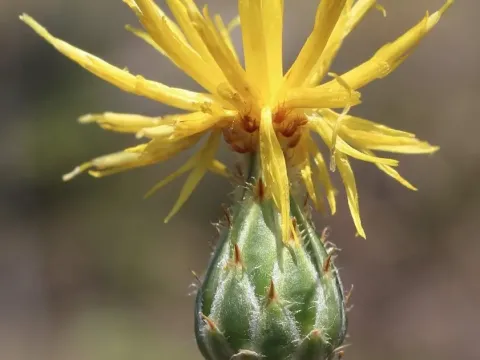
Finazzer's cornflower
Centaurea finazzeri
Finazzer's cornflower (Centaurea finazzeri) is a perennial herbaceous plant belonging to the Asteraceae family. It is known for its specific ecological niche and unique adaptation to rocky or mountainous habitats within its original range.
What the section contains
Finazzer's cornflower
The crop thrives in well-drained, calcareous soils that prevent water stagnation. Poorly drained soil conditions are detrimental to the root system and must be avoided to prevent physiological stress or plant mortality.
As a heliophilic species, this plant requires full exposure to sunlight for optimal development. Adequate light is essential for the synthesis of secondary metabolites and ensuring robust flowering, which is the primary objective of cultivation.
Environmental requirements include a balanced climate with moderate temperatures. The plant shows high resilience to seasonal shifts, provided that there is sufficient ventilation and an absence of extreme atmospheric humidity during the growth period.
Agricultural practice should focus on maintaining a substrate with a neutral to alkaline pH level. Careful attention to nutrient balance is required, as excessive nitrogen application can lead to weak, elongated stems that are susceptible to lodging.
Fungal diseases are the primary threat to the health of Centaurea finazzeri. In environments with high humidity, root rot and crown rot represent a significant risk, often caused by pathogens thriving in wet soil conditions.
Powdery mildew infections can occur on the foliage if air circulation is insufficient. Implementing proper spacing between individual plants is the most effective cultural method to mitigate the spread of these fungal spores.
Pest populations such as aphids can cause direct damage by feeding on nutrient-rich sap, which often leads to the stunted growth of new shoots and the transmission of various viral pathogens.
Beetles and lepidopteran larvae may occasionally graze on the leaves, impacting the photosynthetic capacity of the plant. Regular monitoring is necessary to identify infestations early before they reach an economic damage threshold.
Preventive strategies involve the removal of debris and infected plant tissues at the end of the season to reduce the inoculum load for the following year, ensuring the long-term viability of the crop stand.