
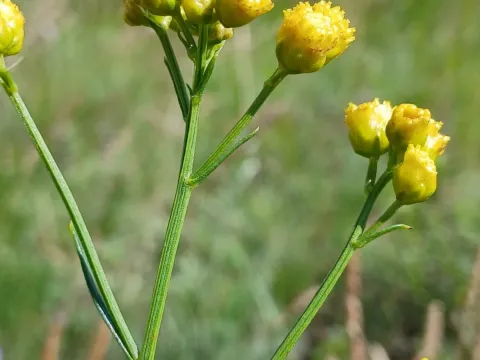
Filifolium
Filifolium
The planting of Filifolium is typically carried out in early spring as soon as soil temperatures reach 8 to 10 degrees Celsius. It is crucial to ensure high-quality stratification of the seeds, as this practice significantly improves the germination rate in field conditions.
What the section contains

Filifolium
A row spacing of up to 60 centimeters is recommended for sowing. This configuration provides sufficient space for the root system to develop and facilitates mechanical inter-row cultivation during the growing season.
Seed planting depth should be shallow, between 1 and 1.5 centimeters, because Filifolium seeds are very small. Excessive burial depth can lead to weak sprouts or complete failure of the crop to emerge due to the lack of energy reserves in the seed.
After sowing, it is advisable to roll the field to ensure optimal soil-seed contact. In dry spring conditions, regular irrigation is essential until consistent seedling emergence is achieved across the entire field.
The target planting density should be around 10 to 15 plants per square meter for optimal biomass development and efficient raw material production for commercial purposes.
Filifolium is a member of the Asteraceae family, originating from mountainous regions of East Asia. The plant prefers well-drained, light-textured soils with a neutral or slightly acidic pH level for best results.
This crop is highly light-demanding, necessitating open and sunny locations for cultivation. Shading significantly reduces the concentration of biologically active compounds in the plant tissue, which decreases its commercial value.
The crop displays moderate drought tolerance but requires stable moisture levels during the peak growth phase to achieve maximum yield. Waterlogging should be strictly avoided as it can easily damage the root system.
Filifolium thrives in moderate summer temperatures. Extreme temperature fluctuations during the flowering stage can adversely affect the accumulation of essential oils, which is a critical consideration for farmers in various regions.
A balanced mineral nutrition program, focusing on phosphorus and potassium, is essential for robust root development and cold hardiness. Proper fertilization ensures that the plants survive winter and start growing vigorously in the following spring.
The yield of Filifolium depends largely on the age of the plantation, as it is a perennial species. Productivity usually peaks in the second or third year, when the plant reaches its full vegetative capacity.
On average, one hectare of a well-maintained plantation can yield between 5 and 8 tons of dry vegetative matter. Actual yield results may fluctuate based on local soil fertility and seasonal climatic variables.
Regular pruning of the plants stimulates the growth of new shoots, which indirectly increases the total biomass harvested per season. This technique is widely used in commercial farming to maximize economic efficiency.
Effective weed control is a critical factor influencing yield. Weeds compete with Filifolium for water and nutrients, which can severely stunt the development of the crop in the first few months of its life.
The plantation typically remains productive for 5 to 7 years, after which the field needs to be replanted. Over time, the overall productivity of the rootstock declines, and the susceptibility to root diseases increases significantly.
Filifolium is most susceptible to fungal diseases affecting the root collar. These conditions are typically caused by excessive soil moisture and poor air circulation between plants in overly dense stands.
Common pests include aphids and leaf-eating insects. These can damage delicate young leaves, significantly reducing the quality of the raw material intended for pharmaceutical or commercial processing.
Disease prevention is primarily based on strict crop rotation protocols. It is not recommended to plant Filifolium on sites previously occupied by other Asteraceae species due to the risk of pathogen buildup in the soil.
If significant pest outbreaks occur, biological control agents should be prioritized over aggressive chemicals, especially since Filifolium is often used in medicinal products that require high safety standards.
Regular monitoring of the fields during the flowering period allows for early detection of infection spots, enabling localized intervention before the disease spreads across the entire plantation.
The harvest of Filifolium is best performed during the full flowering phase, when the concentration of essential oils and other valuable metabolites reaches its peak levels.
Stems should be cut at a height of 10 to 15 centimeters above the soil surface. Using sharp tools is essential to avoid damaging the plant base and to prevent the entry of pathogens into the living tissues.
Harvested raw materials require rapid drying in shaded, well-ventilated areas or in specialized drying chambers at temperatures not exceeding 40 degrees Celsius to preserve volatile aromatic properties.
Once dried, the biomass should be cleaned of impurities and packed in airtight containers to prevent the evaporation of volatile components and to protect the product from sunlight.
At the end of the season, before winter dormancy, hilling the plants is a recommended practice. This technique provides additional protection to the rootstock against freezing during harsh winter temperatures.