
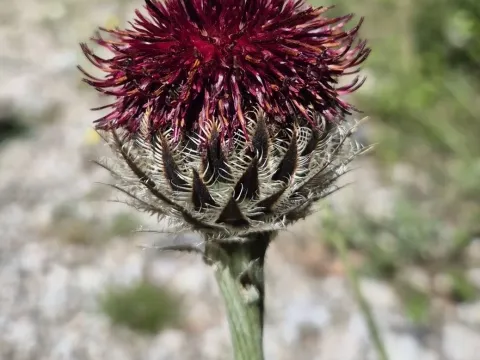
Centaurea calocephala
Centaurea calocephala
Centaurea calocephala is a perennial herbaceous plant belonging to the Asteraceae family. For cultivation, seeds are typically sown in late autumn or early spring when the soil temperature stabilizes above 10 degrees Celsius.
What the section contains
Centaurea calocephala
When starting indoors, seeds should be placed in containers during March using a well-draining substrate. The seeds require a shallow covering of soil, ideally no more than 0.5 to 1 centimeter deep to germinate effectively.
Seedlings usually emerge within 14 to 20 days if consistent humidity and a temperature range of 18–20 degrees Celsius are maintained. Proper light exposure is essential at the germination stage to prevent etiolation.
Transplanting seedlings to individual pots occurs once the first set of true leaves develops. This step helps build a robust root system before the plants are eventually moved to their final outdoor location.
Direct sowing in the garden is preferred for mature plants to avoid root disturbance, as the species develops a deep taproot that does not react well to frequent transplanting or mechanical damage.
This species thrives in sunny, open locations where it receives full exposure to sunlight throughout the day. It is highly drought-tolerant and well-adapted to Mediterranean or temperate climates with dry summers.
The soil should be light, sandy, or loamy, and have excellent drainage. Centaurea calocephala performs poorly in heavy clay soils unless amendments like gravel or sand are incorporated to ensure water permeability.
Water requirements are minimal once the plant is established. Overwatering is the most common mistake in cultivation, as excessive moisture can lead to crown rot and fungal issues during the growth season.
The plant does not require heavy fertilization; in fact, fertile soils can lead to weak, leggy stems that require staking. A sparse application of mineral fertilizer in spring is usually sufficient to support blooming.
Due to its high tolerance for poor soil conditions, it is an excellent candidate for rock gardens, gravel beds, or xeriscaping projects where irrigation systems are not available or are limited.
The primary use of Centaurea calocephala is within ornamental gardening and landscape design. It is highly valued for its aesthetic appeal and long-lasting blossoms throughout the warm summer months.
Floriculturists often use the flower stalks for both fresh and dried arrangements. Harvesting should take place when the buds are just beginning to open to ensure maximum vase life and petal integrity.
Seed production is an secondary objective for many growers. Harvesting occurs in dry weather after the flower heads turn brown, ensuring the seeds are fully mature before they disperse naturally.
As a notable nectar source, it plays a vital role in supporting local pollinator populations, including bees and butterflies. This increases the overall ecological health of the garden ecosystem.
Research into its pharmacological potential is ongoing, though it is currently not utilized as a major industrial crop for medicine. Its role remains predominantly as a high-value ornamental and ecological species.
Powdery mildew is the most frequent disease, particularly in areas with high humidity or poor air circulation. Improving spacing between plants is the most effective preventative measure against this fungus.
Pests such as aphids may occasionally cluster on the stems and developing flower buds, especially during hot, dry spells. Biological control methods or soft soaps are recommended to manage these infestations safely.
Root rot is a significant risk caused by waterlogging, especially during winter months or in heavy soil types. Ensuring proper drainage is the most critical factor in preventing this life-threatening condition.
Caterpillars of various moth species can cause localized damage to the foliage. Periodic inspections of the leaf underside allow for early manual removal, which is often sufficient to keep the damage minimal.
To keep the plants healthy, it is advised to remove dead foliage at the end of the season and prevent overcrowding. A clean garden environment significantly reduces the pressure from common soil-borne pathogens.