
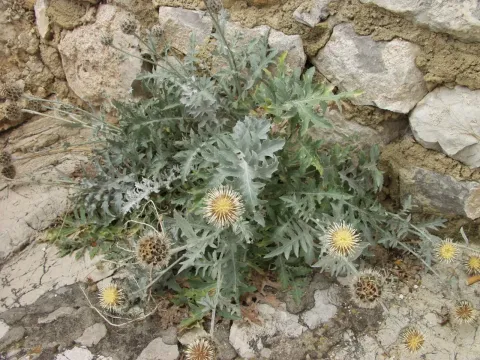
Centaurea clementei
Centaurea clementei
Centaurea clementei is a distinct species within the Asteraceae family, recognized for its striking silvery-white foliage. This perennial plant is highly valued by gardeners and botanists for its unique texture and resilience in arid environments.
What the section contains
Centaurea clementei
Native to the rocky cliffs and slopes of southern Spain, the plant has adapted to survive in extreme conditions. It thrives in environments where most other cultivated plants would struggle due to the scarcity of water and poor soil quality.
The cultural requirements are strictly defined by its Mediterranean heritage. Centaurea clementei demands full sun exposure and perfectly draining soil. Heavy or clay-based soils are unsuitable unless amended with significant amounts of grit or coarse sand.
Climate adaptability is a strong point for this species. It is a true xerophyte, capable of enduring prolonged heatwaves and intense solar radiation without wilting. However, it requires protection from excessive winter moisture, which is the primary killer of this plant in cooler climates.
When implementing cultivation practices, it is essential to avoid over-fertilization. High levels of nitrogen encourage lush, weak growth that lacks the iconic silvery color and makes the plant susceptible to stem collapse and fungal infections.
The most significant threat to Centaurea clementei is root rot, typically caused by improper drainage or persistent soil moisture. Protecting the base of the plant from standing water is crucial for its long-term survival.
Pest pressure is generally low, but aphids can occasionally infest new flower buds during the spring growth flush. Monitoring these populations is recommended to prevent them from causing developmental issues with the flowers.
Fungal diseases, including powdery mildew, may occur if air circulation around the foliage is inadequate. Planting in open, breezy areas is the most effective way to prevent these pathogens from taking hold.
Integrated pest management should focus on non-chemical solutions wherever possible. Manual removal of infected parts or the use of mild horticultural soaps is often sufficient to keep the plant in good health throughout the season.
Routine site maintenance, such as clearing debris from around the crown of the plant, ensures that the sensitive root neck stays dry. This simple sanitation practice is the best defense against the most common threats faced by this unique species.