
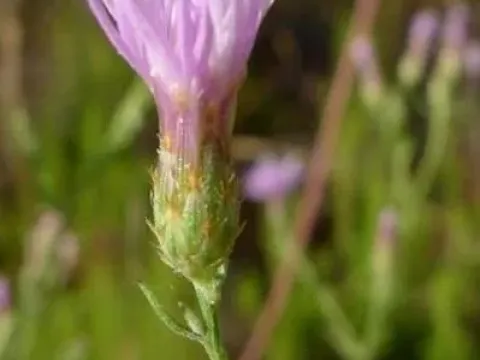
Centaurea aristata
Centaurea aristata
Centaurea aristata is a perennial herbaceous plant belonging to the Asteraceae family. Native to mountainous regions, this species is known for its resilience and ability to thrive in challenging environments with well-drained, nutrient-poor soils.
What the section contains
Centaurea aristata
The botanical structure of the plant features sturdy, upright stems and characteristic flower heads with aristate bracts. Its deep root system allows the plant to access moisture in dry conditions, making it a robust addition to any xeriscape or garden.
Regarding climatic requirements, the plant prefers full sun exposure and temperate conditions. It is highly winter-hardy and can withstand significant fluctuations in temperature, provided the growing medium is kept sufficiently aerated and free from standing water.
Soil requirements focus primarily on drainage. The species does not tolerate waterlogging, which often leads to root rot. Sandy or loamy soils with a neutral pH are ideal for promoting healthy development and prolonging the flowering season.
In agricultural and ornamental use, Centaurea aristata serves as an excellent pollinator-friendly plant. It is frequently incorporated into meadow plantings and rock gardens for its aesthetic appeal and low-maintenance nature.
The primary diseases affecting Centaurea aristata include powdery mildew, typically appearing during periods of high humidity and stagnant air. Proper spacing is essential to ensure adequate airflow and prevent the development of fungal pathogens.
Root rot is another significant threat, usually caused by improper irrigation practices or poor soil drainage. Ensuring that the crown of the plant remains dry, especially during winter months, is critical for survival.
Pests such as aphids and spider mites can infest the foliage, particularly during dry spells. These pests weaken the plant by extracting sap, which can lead to stunted growth and reduced floral display if left unmanaged.
Integrated pest management, including the use of insecticidal soaps or neem oil, is recommended for controlling infestations without harming beneficial insects. Regular scouting is the best way to catch early signs of pest pressure.
Good cultural practices, such as removing debris and preventing weeds from crowding the plants, significantly reduce the incidence of disease. Maintaining a vigorous, healthy plant is the first line of defense against most environmental threats.