
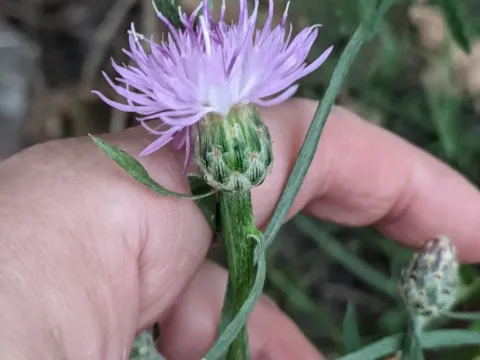
Centaurea arenaria
Centaurea arenaria
Centaurea arenaria is a resilient herbaceous perennial belonging to the Asteraceae family, adapted to sparse sandy conditions.
What the section contains
Centaurea arenaria
Sowing typically takes place in late autumn or early spring, ensuring that the seeds undergo necessary stratification for optimal germination.
Seeds are shallowly placed in the soil, ideally at a depth of 1-2 centimeters, to facilitate rapid shoot emergence.
Spacing between rows is generally maintained at 50-60 centimeters to allow for mechanical weed control and sufficient airflow.
High-quality seeds should be selected based on laboratory germination tests to ensure uniform stand establishment.
This species thrives in light, sandy soils and requires excellent drainage to prevent root-related issues common in heavier substrates.
Full sun exposure is a critical requirement for this crop, as even partial shade significantly reduces the quality and quantity of the harvest.
It displays remarkable drought tolerance, making it suitable for regions with limited rainfall and arid climates.
The plant performs well in nutrient-poor soils, meaning extensive fertilization is generally unnecessary and could even be detrimental.
Soil pH should remain within the slightly acidic to neutral range for optimal nutrient uptake and root development.
The primary threats include fungal pathogens such as powdery mildew, especially if environmental conditions become excessively humid.
Insect pests, including aphids and beetle larvae, may cause damage during the critical flowering stage of the plants.
Integrated pest management strategies are recommended, prioritizing cultural controls and periodic field monitoring.
Proper crop rotation is essential to prevent the buildup of soil-borne pathogens and to maintain soil vitality over several seasons.
Removal of plant debris after the growing season is a key practice for reducing the overwintering potential of local pests.
The harvesting process involves cutting the aerial parts of the plant during the peak blooming phase to secure the highest phytochemical yield.
Clean, sharp tools are used to harvest the stems, ensuring that the roots remain undisturbed for future growth cycles.
Drying must occur immediately after harvest in a shaded, well-ventilated area or a temperature-controlled drying kiln.
Excessive temperatures must be avoided during drying to preserve the delicate aromatic and medicinal compounds within the plant tissues.
Once dried to the desired moisture level, the product should be stored in cool, dark, and dry conditions to ensure long-term stability.