
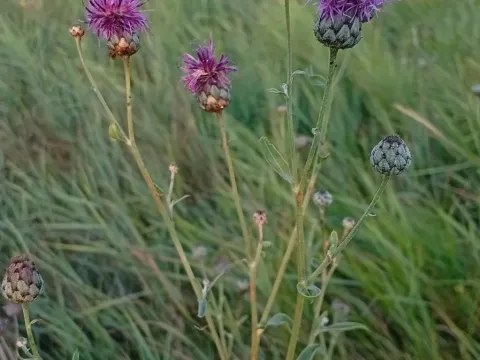
Centaurea apiculata
Centaurea apiculata
Centaurea apiculata, a member of the Asteraceae family, is a perennial herbaceous plant. Sowing is typically performed in early spring once soil temperatures reach 5–8 degrees Celsius, though autumn sowing is also viable to utilize natural stratification.
What the section contains
Centaurea apiculata
Seeds are sown at a depth of 1–2 centimeters. When cultivated in rows, maintaining a spacing of 45–60 centimeters between rows ensures adequate room for root development and facilitates mechanical weed control during the establishment phase.
Growth is relatively slow in the first year as the plant focuses on forming a basal rosette of leaves. Weed suppression is critical during this period, as the seedlings are sensitive to competition for nutrients and sunlight from invasive weed species.
Establishing an optimal plant density is vital. For seed production, lower densities are preferred to ensure individual plants have enough resources to develop strong flowering heads, whereas higher densities may be used for green biomass or honey bee forage.
Successful establishment relies on the use of high-quality, viable seeds. Pre-sowing treatment can enhance germination rates, particularly when soil moisture levels are inconsistent or variable during the early spring season.
This species thrives in full sun, requiring exposure to direct sunlight for the majority of the day to reach its full physiological potential. Insufficient light results in etiolated growth and a significant reduction in flowering performance.
The plant prefers well-drained, sandy or loamy soils with a neutral to slightly alkaline pH. Proper soil drainage is essential, as the species is highly susceptible to root damage in waterlogged environments where oxygen levels in the soil are low.
Centaurea apiculata demonstrates excellent drought tolerance due to its deep taproot system, which allows the plant to access subsoil moisture. This makes it a resilient choice for regions experiencing unpredictable summer rainfall.
The optimal temperature for metabolic activity ranges between 18 and 25 degrees Celsius. The species is well-adapted to the temperate climate, showing significant resilience to temperature fluctuations and surviving minor frost events.
Fertilization management should focus on phosphorus and potassium to encourage robust root growth and floral development. Nitrogen should be applied sparingly, as excessive amounts can lead to over-vegetative growth at the expense of floral production.
Yield varies depending on soil fertility, climate, and management practices. In productive stands, the plant provides a long flowering season, often lasting over a month, which is highly beneficial for honey bee productivity in the area.
Biomass production typically ranges from 3 to 5 tons per hectare under ideal conditions. This biomass is often harvested for pharmaceutical or technical uses, depending on the specific concentration of active compounds in the plant tissue.
Honey productivity is a key economic value for this species. Beekeepers value the plant for its nectar quality and the extended period during which it remains available to pollinators, contributing to stable seasonal honey yields.
Seed yields require precise harvesting timing. On average, yields range from 150 to 300 kilograms per hectare, depending on the uniformity of the stand and the efficiency of the threshing and cleaning processes employed.
Maintaining soil structure through minimal tillage after the first year helps preserve moisture, which directly correlates to biomass and reproductive yield over the lifespan of the perennial stand.
Typical pests affecting Centaurea species include aphids and various plant bugs, which feed on sap and can act as vectors for viral diseases. Monitoring populations during the peak growing season is essential for timely intervention.
Fungal pathogens such as powdery mildew and rust thrive in high humidity and stagnant air. Promoting airflow through proper row spacing and avoiding overhead irrigation can significantly mitigate the development of these diseases.
Root rot is a common threat caused by poor soil drainage. If the soil remains saturated for extended periods, the root system loses vitality, often leading to total plant failure in severe cases.
Integrated pest management (IPM) strategies, including the use of beneficial insects and resistant varieties, are recommended for maintaining healthy crops. Chemical interventions should be used strictly according to guidelines to avoid harmful residues.
- Regular monitoring for early signs of pest outbreaks.
- Application of fungicides only when threshold levels are exceeded.
- Proper rotation practices to minimize soil-borne pathogens.
The harvest of aerial parts should occur during the peak of the flowering season, when the concentration of secondary metabolites is at its highest. Mechanical harvesting is standard for large-scale operations.
Immediate processing is necessary after cutting. Fresh biomass should not be left in the field, as it is prone to rapid quality degradation, including loss of volatile compounds and potential molding due to humidity.
Drying must be conducted in well-ventilated, shaded areas at temperatures not exceeding 45 degrees Celsius. This controlled environment preserves the essential qualities of the harvested plant material for its intended use.
For seed production, harvesting starts when the flower heads brown and seeds are fully mature. Delaying harvest can lead to significant shattering and yield loss in the field due to natural seed dispersal mechanisms.
Final seed processing involves drying, threshing, and multi-stage cleaning to ensure the material meets market standards for purity and moisture content, facilitating stable, long-term storage.