
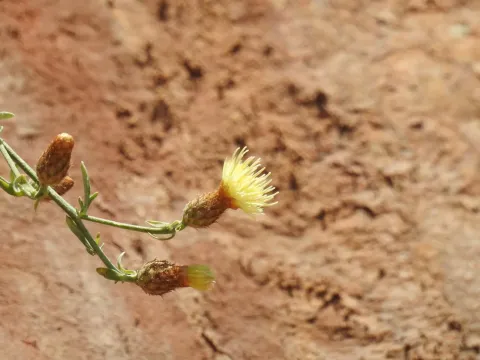
Centaurea argentea
Centaurea argentea
Centaurea argentea, commonly referred to as silver knapweed, belongs to the Asteraceae family. It is a distinctive perennial valued for its silvery, deeply lobed leaves which provide a striking contrast in ornamental garden designs.
What the section contains
Centaurea argentea
Seed propagation is typically performed in late autumn, allowing the seeds to undergo natural cold stratification. If sowing in the spring, seeds must be kept in cold storage for several weeks to break dormancy and ensure uniform germination.
The seeds should be sown in a well-drained substrate mixed with grit or coarse sand. It is important to sow them at a shallow depth, as light can facilitate the germination process in many species of this genus.
Spacing is a critical factor for the health of the plants. Young seedlings should be transplanted into their permanent location with at least 30–40 cm of space between them to allow for maximum air movement and sunlight exposure.
Division of established clumps is another viable propagation method. This is best carried out during the early spring or autumn dormant period, ensuring the new sections have sufficient root system for rapid establishment.
Silver knapweed is a heliophilic plant that demands full sun exposure. Adequate light is essential for maintaining the dense silvery hairs on its foliage, which are responsible for its unique metallic appearance and drought tolerance.
The soil requirements for Centaurea argentea center on excellent drainage. It thrives in poor, stony, or calcareous soils and will suffer in heavy clay or waterlogged conditions, which frequently lead to root rot.
The plant is highly drought-tolerant once established and does not require frequent irrigation. In fact, supplemental watering should be avoided except during extreme heatwaves or during the initial growing season after transplantation.
The ideal climate for this plant is one that mimics its Mediterranean or mountain-origin habitats, featuring relatively dry summers and mild winters. In areas with high humidity, it is vital to ensure optimal soil drainage.
Maintenance is minimal, consisting mainly of removing faded flower heads to keep the plant neat and to encourage potential secondary blooms. It is also advised to keep the root zone free of organic debris to avoid trapping excess moisture.
Powdery mildew is the most frequent disease encountered in humid or poorly ventilated environments. The appearance of a white, dusty layer on the foliage should be addressed by improving airflow and applying suitable fungicides.
Aphids and spider mites are common pests that target the tender growth of the plant during hot and dry spells. Regular inspection of the undersides of the leaves can help in identifying an infestation before it causes significant stress.
Root rots caused by various soil-borne fungi are a direct consequence of inadequate drainage. Once a plant is affected by rot, recovery is difficult, making prevention through strict irrigation management the most effective strategy.
Slugs and snails may feed on the young foliage during spring. Implementing physical barriers such as crushed eggshells or using organic baits can help protect the young plants from damage during their most vulnerable stage.
Sanitation is key to preventing the spread of diseases. Any infected plant tissue should be carefully removed and disposed of away from the main garden site, and equipment should be cleaned regularly to prevent cross-contamination.