
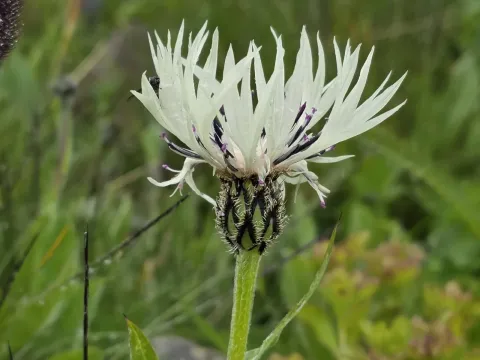
Centaurea cheiranthifolia
Centaurea cheiranthifolia
Centaurea cheiranthifolia, commonly known as the leuco-leaved cornflower, is a perennial plant belonging to the Asteraceae family. It is native to the high-altitude regions of the Caucasus, which explains its adaptation to harsh mountain climates.
What the section contains
Centaurea cheiranthifolia
The plant thrives in full sun, which is essential for maintaining its unique foliage color and structural integrity. It is highly valued for its silvery, lanceolate leaves and solitary, large flower heads that bloom during the summer months.
In terms of soil, this species requires excellent drainage to prevent root rot. It performs best in rocky, gritty, or sandy-loam soils that mirror its natural alpine habitat, ensuring that water does not accumulate around the crown.
Maintenance involves providing adequate space for air circulation to prevent overheating and disease. While the plant is drought-tolerant once established, supplemental watering during prolonged dry spells will keep the foliage vibrant.
As a hardy perennial, it requires minimal fertilization. Over-feeding with nitrogen can lead to succulent growth that is more susceptible to pests and winter damage, so a lean soil approach is generally preferred.
The most common health issues for Centaurea cheiranthifolia are related to excess humidity. Powdery mildew can occur if the plants are crowded or if there is poor air movement during damp, warm summer conditions.
Root rot is the primary lethal threat, typically resulting from poor soil drainage. When planting, it is recommended to amend heavy soils with horticultural grit to ensure that the moisture drains away from the root collar.
Aphids are the most frequent insect pests, clustering on developing buds and stems. These sap-sucking insects can stunt flower development and transmit viral pathogens if not controlled early in the season.
Spider mites can become an issue in exceptionally hot and dry weather, causing the foliage to appear speckled and dull. Maintaining consistent moisture and periodically inspecting the undersides of leaves is essential.
Gastropods, such as slugs and snails, may target young shoots in the spring. Using protective barriers or organic deterrents is often effective in preventing significant damage to the plant's delicate tissues during the early growth phase.