
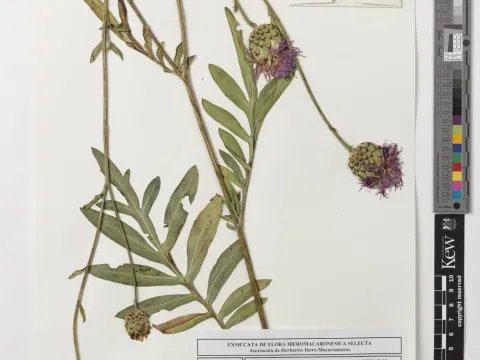
Centaurea cephalariifolia
Centaurea cephalariifolia
Centaurea cephalariifolia belongs to the Asteraceae family and is a perennial herbaceous plant native to the Caucasus region. This species is valued for its unique morphology and is increasingly studied for agricultural and ornamental integration.
What the section contains
Centaurea cephalariifolia
The plant thrives in well-drained, neutral to slightly alkaline soils. It is notably drought-resistant, allowing it to adapt to various climatic conditions, although it performs best in full sunlight with moderate rainfall during the growing season.
Botanically, the plant is characterized by erect stems and dense flower heads that resemble species of the Cephalaria genus. The leaves are typically pubescent, a feature that provides protection against transpiration in hot, dry environments.
Agricultural practices require precise soil preparation to ensure proper aeration. Seeds should be sown in early spring when the soil temperature reaches a stable level, promoting uniform germination across the field.
The plant is utilized as a decorative crop and a significant nectar source for apiaries. Its long flowering period supports local pollinator populations, making it a beneficial addition to agricultural landscapes focused on biodiversity.
The primary diseases affecting Centaurea cephalariifolia include powdery mildew and various root rot fungi. These pathogens are most prevalent in areas with high humidity or poor soil drainage, which compromises the root system.
Common pests include aphids, which cluster on the tender tips of the stems, and spider mites that thrive in dry, hot weather. These pests can significantly reduce the vitality of the plant and degrade its aesthetic and productive quality.
Integrated pest management strategies are recommended to keep infestations at bay. This includes physical weed control and the use of targeted biological agents to minimize reliance on heavy synthetic pesticides.
Fungal control involves the application of appropriate fungicides during the early stages of the growing season if weather conditions are conducive to disease outbreaks. Maintaining adequate spacing between plants is crucial to improve air circulation.
Regular field monitoring is essential for early detection of issues. By implementing strict cultural practices, such as proper crop rotation and the removal of infected debris, growers can maintain healthy and productive stands of this perennial plant.