
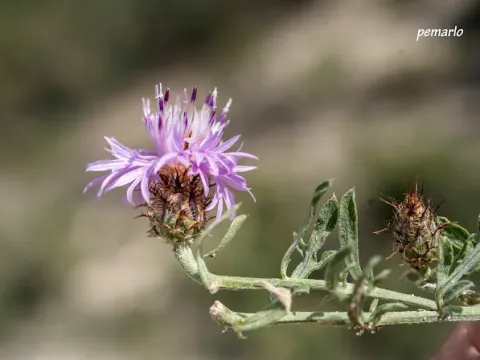
Centaurea boissieri
Centaurea boissieri
Centaurea boissieri is a herbaceous perennial belonging to the Asteraceae family. It is typically propagated by seeds, which can be sown directly into the soil or started in specialized seed trays.
What the section contains
Centaurea boissieri
Sowing in open ground should be timed for spring after the danger of severe frost has passed. Autumn sowing is also an option in milder climates, allowing for natural cold stratification of the seeds.
When starting indoors, use a well-draining seed-starting mix. Place seeds about 1 centimeter deep and keep the substrate consistently moist but not waterlogged until germination occurs.
Germination typically takes two to three weeks under optimal conditions of moderate heat and bright indirect light. Once the seedlings develop two sets of true leaves, they can be thinned out.
Transplanting to the permanent location should be done carefully to protect the delicate taproot. Ensure spacing of 30–40 centimeters between individual plants for adequate air circulation.
This species is native to mountainous regions, requiring a sunny location to thrive. It performs best in full sun exposure where it can produce its characteristic silver-toned foliage and blooms.
Soil requirements are relatively modest; the plant prefers light, gritty, or sandy soils with excellent drainage. Heavy clay soils must be amended with gravel or coarse sand to prevent root rot.
Centaurea boissieri is highly drought-tolerant once established. It requires very little supplemental water, and overwatering is the most common cause of plant failure in garden settings.
Fertilization should be kept to a minimum. Over-fertilizing, especially with nitrogen, results in weak, leggy growth that is prone to lodging and more susceptible to pests and diseases.
The plant is adapted to neutral or slightly alkaline soil pH levels. It is quite hardy and can survive cold winters if the soil remains well-drained and free from standing water.
The primary threats to the health of this plant are fungal pathogens triggered by poor air circulation and excessive humidity. Powdery mildew can occur if the foliage remains wet for too long.
Root rot is a critical concern, especially in winter when the ground remains damp. Providing a gravel mulch around the base of the plant can help keep the root neck dry.
Pests are generally not a major problem for this species due to the bitter compounds in its tissues. However, aphid infestations might occasionally occur on new succulent shoots during heatwaves.
Maintaining a clean growing area by removing decaying vegetation is essential for disease prevention. This reduces the number of spores that could infect the plant during humid periods.
If chemical intervention is necessary, use systemic fungicides sparingly and only as a last resort, prioritizing organic control methods for garden-grown specimens.
Centaurea boissieri is primarily grown for its ornamental value in rock gardens, borders, and xeriscapes. It provides a unique texture and color contrast with its silvery-green leaves.
Deadheading faded flowers is highly recommended. This practice not only keeps the plants looking tidy but also diverts energy back into the root system and may encourage a second, smaller bloom.
Seed collection can be done when the flower heads turn brown and dry. The seeds should be harvested carefully before they disperse, as they are often wind-borne.
Pruning the foliage back in late autumn can help in managing the plant's size and preparing it for dormancy during the winter months, especially in colder regions.
In a professional setting, this plant is appreciated for its low-maintenance profile, making it an excellent choice for sustainable landscaping and dry garden designs.