
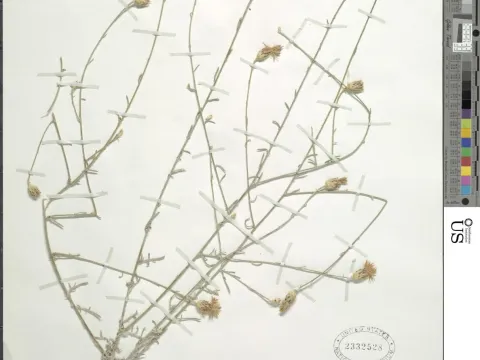
Attica knapweed
Centaurea attica
Attica knapweed (Centaurea attica) is a perennial herbaceous plant belonging to the Asteraceae family. Originating from the rocky regions of Europe, this plant is well-adapted to environments where other crops struggle, showing remarkable resilience to dry conditions and nutrient-poor soils.
What the section contains
Attica knapweed
Botanically, it is defined by its robust root system and distinctive inflorescences that bloom in various shades, ranging from deep purple to soft pink. The foliage is often covered in fine hairs, an evolutionary adaptation to reflect excess sunlight and minimize water loss through transpiration.
To ensure optimal performance, cultivators should provide sites with full sun exposure and excellent drainage. The plant thrives in neutral to slightly alkaline soils and performs best when irrigation is minimized once the root system is established, as waterlogged soil is its primary physiological stressor.
The agrotechnical management of this crop requires minimal intervention compared to other ornamental species. Regular weeding and the removal of spent flower heads help encourage a second flush of blooms, maintaining the aesthetic value of the planting site throughout the summer months.
Beyond its ornamental appeal, Attica knapweed serves as a significant nectar source, attracting bees, butterflies, and other essential pollinators. Integrating this plant into agricultural buffers or wild-flower margins can significantly enhance the ecosystem services provided to neighboring cultivated fields.
The main threats to Centaurea attica are related to fungal infections, particularly powdery mildew, which can develop in stagnant, humid conditions. Providing adequate spacing between individual plants is the most effective preventative measure to ensure proper air circulation.
Pest pressures often involve aphids and spider mites, which tend to congregate on the underside of leaves or within tender buds. Integrated pest management strategies, focusing on early detection and the use of botanical oils, are recommended to control these populations without harming beneficial insects.