
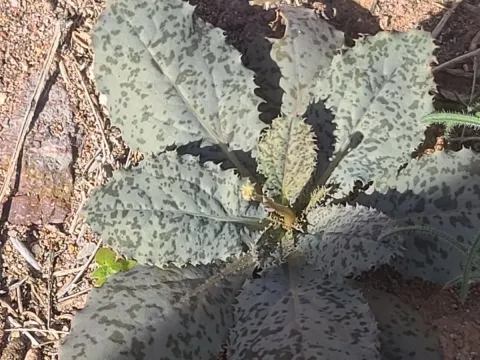
Atrichoseris platylepis
Atrichoseris
Atrichoseris (Atrichoseris platylepis) is a monotypic genus belonging to the Asteraceae family. While not classified as a conventional agricultural crop, it represents a distinctive botanical subject within arid ecosystems.
What the section contains
Atrichoseris platylepis
The plant is native to the Mojave Desert and surrounding arid regions in the southwestern United States and northwestern Mexico. It thrives in extreme environments, primarily inhabiting sandy and gravelly soils characterized by low nutrient density.
Growth requirements are strictly tied to the desert climate, necessitating high solar radiation and precise moisture timing. The species has evolved to synchronize its flowering phase with rare seasonal rainfall events characteristic of its native habitat.
Botanically, it is recognized by its basal leaf rosette and a slender, branching stem that produces white or cream-colored flowers. The aesthetic appeal of these blossoms has led to minor interest in botanical study and desert landscaping.
Physiological adaptations include a highly efficient root system that allows the plant to survive in environments where most common crop species would fail due to the rapid evaporation of surface moisture.
The primary threat to the existence of Atrichoseris platylepis is the degradation of its fragile desert habitat caused by land development, off-road vehicle use, and general anthropogenic impact.
Common agricultural pests are not typically associated with this species. However, local desert fauna such as insects and small rodents may consume parts of the plant during periods of forage scarcity.
Disease incidence is negligible in the wild because the dry, harsh conditions are largely unsuitable for the pathogens that typically affect commercial plant crops.
Invasive species, particularly non-native grasses that utilize moisture more aggressively, present a serious competitive threat, displacing Atrichoseris and reducing the availability of dormant seed germination sites.
Due to its specialized evolutionary niche, the plant lacks the resilience required for agricultural cultivation, making it highly sensitive to alterations in soil chemistry or watering regimes.