
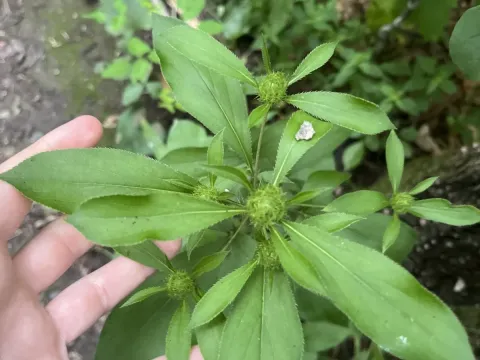
Atractylodes
Atractylodes DC.
Sowing Atractylodes seeds is typically carried out in late autumn or early spring after the seeds have undergone a necessary cold stratification period. Given the slow germination rate of the seeds, consistent soil moisture and moderate temperatures are essential for achieving optimal emergence.
What the section contains


Atractylodes
For spring planting, the soil must be warmed to at least 10–12 degrees Celsius. Seeds should be sown at a shallow depth of 1–2 centimeters, as they require a certain level of light exposure to trigger germination and ensure the healthy development of the primary root system.
Many growers prefer starting the culture in greenhouses or nursery trays to ensure a stable stand before transplanting into the open field. This method significantly reduces the impact of weeds and environmental stress on young, delicate seedlings during their most sensitive developmental phase.
The planting pattern usually maintains a row spacing of 40–50 centimeters. This provides sufficient air circulation, which is critical for reducing the risk of fungal diseases that can affect the foliage during the humid summer months of the vegetative stage.
Atractylodes is a perennial plant, which makes crop rotation a fundamental aspect of its management. It is highly advised not to plant it in fields previously occupied by other Asteraceae family members to prevent the buildup of species-specific soil-borne pathogens.
The crop thrives in well-drained, fertile loam or sandy loam soils with a neutral to slightly acidic pH. Waterlogging is extremely detrimental, as the rhizomes are prone to rapid rot if deprived of oxygenated soil conditions during the rainy season or excessive irrigation.
Atractylodes prefers sunny locations, though it may require partial shading in regions with extremely high summer temperatures to prevent soil surface crusting. It is a frost-hardy species, capable of overwintering well in temperate climates with adequate snow cover or mulch protection.
Regular irrigation is necessary during the active leaf development phase. However, as the rhizomes mature in late summer, irrigation intensity should be gradually reduced to promote tissue lignification and the concentration of essential pharmacological compounds.
Incorporating organic fertilizers like compost or well-rotted manure during field preparation is vital for ensuring long-term fertility. The crop responds positively to high organic matter content, which improves soil structure and facilitates the easy expansion of the root system.
Maintaining a loose soil structure through regular mechanical hoeing between rows is essential for growth. Proper soil aeration directly correlates with the quality and size of the harvested rhizomes, making it a key component of the overall crop management strategy.
The commercial yield of Atractylodes is typically harvested after two or three years of growth. This timeframe allows the rhizomes to reach their biological maturity, characterized by a peak concentration of essential oils and other active medicinal ingredients required for market value.
The dry mass yield per hectare depends largely on planting density and the quality of agricultural care provided throughout the growth cycles. A well-managed plantation ensures a stable increase in biomass, provided that the soil nutrient balance is carefully monitored.
Harvest timing is critical; it should occur only after the above-ground foliage has naturally withered and turned yellow. This indicates the translocation of all nutrients into the underground organs, maximizing the efficacy and quality of the final pharmaceutical raw material.
Prompt post-harvest cleaning is necessary to maintain the market value of the crop. Rhizomes must be washed immediately to remove soil residues, preventing fermentation or quality degradation caused by extended contact with moisture and impurities.
Regular selection of high-performing plants for seed production is recommended to improve yields over subsequent generations. By focusing on plants with robust root development and disease resistance, farmers can significantly increase the productivity of their plantation over time.
The primary threats to Atractylodes are root rots caused by various pathogenic fungi. These infections are often linked to improper drainage or excessive soil moisture, making proactive water management and the use of bio-fungicides essential components of the crop's health program.
Pests such as wireworms and cutworms can cause significant damage by feeding on the rhizomes. Implementing trap crops and adhering to strict crop rotation schedules are effective methods for reducing pest populations without resorting to heavy chemical interventions.
Effective weed control is non-negotiable, as weeds compete for essential resources and serve as hosts for potential plant diseases. Regular manual or light mechanical weeding is required throughout the growing season to ensure that the Atractylodes plants can grow without hindrance.
Early detection of diseased plants is necessary to prevent the spread of infections across the plantation. It is recommended to remove infected plants, along with the surrounding soil, to isolate the source of the pathogen and protect the healthy part of the crop.
In hot and dry conditions, spider mites may appear on the foliage. While usually secondary, if left untreated, they can weaken the plant. Targeted use of safe, approved acaricides can manage the population without compromising the quality of the roots intended for medicinal use.
Harvesting is performed in late autumn once the growing season has concluded. At this stage, the rhizomes have attained maximum density, which improves their shelf life after drying and ensures a high yield of active compounds essential for the pharmaceutical industry.
For large-scale operations, specialized root-harvesting machinery is utilized. Small-scale manual harvesting requires the use of garden forks, ensuring that the fragile rhizomes are carefully lifted from the soil to avoid any mechanical cuts or damage.
Post-harvest processing includes thorough washing of the rhizomes. This must be done quickly to remove soil particles before the drying stage, as prolonged moisture on the harvested roots can trigger fungal growth that would ruin the quality of the final product.
Drying is conducted in specialized chambers or well-ventilated sheds at temperatures not exceeding 50 degrees Celsius. Maintaining this temperature limit is crucial, as higher heat levels will cause the evaporation of the volatile essential oils that give the herb its therapeutic value.
Once dry, the raw material is graded by size and quality before being packaged in breathable containers, such as paper or fabric bags. Proper storage in a cool, dark, and dry facility is essential to maintain the pharmacological integrity of the Atractylodes roots for long-term storage.