
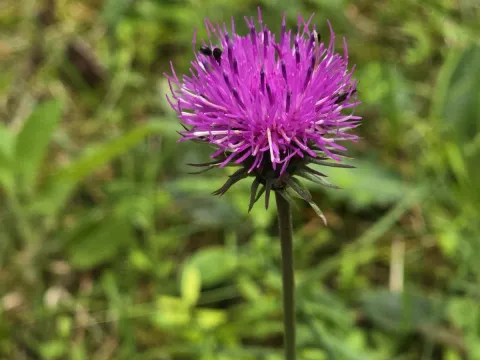
Carduus defloratus
Carduus defloratus
Carduus defloratus is a perennial herbaceous plant belonging to the Asteraceae family. Sowing is typically conducted in early spring once soil temperatures reach 8–10 degrees Celsius to ensure uniform germination.
What the section contains
Carduus defloratus
In temperate climates, stratified seeds are preferred for planting to overcome dormancy. The optimal sowing depth is shallow, usually around 1 to 2 centimeters, which allows the seedlings to emerge efficiently.
Spacing is a critical factor for the development of healthy rosettes. A row spacing of 45 to 60 centimeters provides sufficient room for the plant to establish its root system during the first year of growth.
Post-sowing soil compaction is highly recommended to improve the capillary connection between the seeds and soil moisture, ensuring that germination is not hampered by dry spells.
Modern precision planters are recommended to maintain consistent seeding rates, which prevents overcrowding and competition for sunlight in the developing crop field.
This crop thrives in open, sunny locations with well-drained, fertile soil. It is highly adaptable but performs best in loamy or sandy-loam conditions with a neutral pH level.
The plant exhibits excellent winter hardiness, making it suitable for regions with harsh winters and fluctuating temperatures. It remains resilient throughout cold spells while maintaining its root vitality.
Moderate moisture levels are necessary for growth. While the plant can tolerate short periods of drought, consistent irrigation during the peak growing season significantly increases overall biomass production.
Nitrogen-based fertilization should be applied with caution during the early development stages. Excessive fertilizer can encourage rapid growth but may increase the plant's susceptibility to fungal infections.
Weed management during the first year is vital. As a slow-growing perennial, the thistle requires a clean environment until it gains enough dominance to outcompete common invasive weeds.
Carduus defloratus is primarily valued as a high-quality honey plant. Its late-summer blooming period provides bees with essential nectar when many other forage sources have already finished flowering.
While not a primary forage crop, young vegetation can serve as supplementary livestock feed if harvested before the stalks become too fibrous and difficult for animals to digest.
Seed production is consistent and reliable, allowing growers to maintain their own seed stock year after year. The harvest should take place when the heads are fully matured and starting to dry.
Biomass yields depend heavily on site conditions and management intensity. When managed correctly, the plant can produce significant amounts of floral nectar for apicultural purposes.
Specialized markets for herbal products may provide additional income opportunities, provided the harvesting process follows quality control standards for purity and drying.
Fungal diseases like rust are common, especially in humid environments with poor air circulation. Regular inspection and avoiding overcrowding are essential preventive measures for long-term health.
Pests such as aphids and specialized weevils can significantly damage flower heads, reducing the quality and quantity of honey production and seed viability throughout the season.
Powdery mildew is another common issue that appears late in the season. Targeted fungicide application can control this, provided it is done before the infection spreads across the field.
Root damage by small rodents is a persistent threat to perennials. Integrated pest management, including field maintenance and predator habitat preservation, is highly recommended.
- Perform weekly phytosanitary checks.
- Apply fungicides preventively if humidity is high.
- Maintain proper field drainage to reduce fungal risks.
Harvesting green matter for fodder should be timed at the late budding stage, ensuring the plant retains maximum nutrient content before the lignin content increases too sharply.
Seed harvesting is conducted when the heads turn a dull brown and begin to dry. This phase requires dry weather conditions to prevent the degradation of seed quality during the storage period.
Post-harvesting, the heads must be dried in well-ventilated, shaded areas to ensure all residual moisture is removed, which is crucial for preventing mold development in storage.
Due to the spiny nature of the plant, personnel must wear thick protective clothing and heavy-duty gloves during the harvesting process to prevent injuries while handling the material.
Storage facilities for seeds should be kept dry, cool, and rodent-proof. Proper sealing of containers prevents moisture re-absorption and preserves the germination potential for future seasons.