
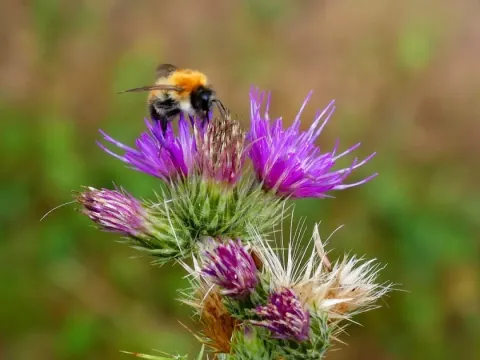
Asturian thistle
Carduus asturicus
The Asturian thistle, a member of the Asteraceae family, is predominantly a wild-growing species, meaning no standardized agricultural sowing schedule is established for it.
What the section contains
Asturian thistle
In its native environment, seeds typically germinate during the autumn or early spring when soil moisture levels are optimal for the species' biological cycle.
For intentional cultivation purposes, such as in honey-producing or ornamental settings, direct sowing into open soil is recommended during the early spring months.
The seeds show high germination energy, but a period of cold stratification can significantly improve field emergence rates in a controlled environment.
When sowing, it is crucial to maintain a planting depth of no more than 1 to 2 centimeters to ensure the seedlings receive adequate light to initiate photosynthesis.
As an endemic species of the Iberian Peninsula, the Asturian thistle is highly adapted to the specific climatic conditions of the Mediterranean subtropical belt.
The crop thrives best in well-drained, calcareous, or rocky soils, which are typical of the mountain slopes and abandoned rural lands in the Asturias region.
The plant requires intense solar exposure for active vegetation, as excessive shade will inhibit growth and severely reduce its reproductive potential.
While the Asturian thistle is highly tolerant to short-term droughts, it is sensitive to prolonged water stagnation in the root zone during the winter months.
The optimal temperature range for the plant's development is between 15 and 25 degrees Celsius, though it can withstand occasional light frosts.
The primary phytopathological threats to this species include fungal infections such as rust and powdery mildew, which affect the leaves during humid periods.
Insect pests such as weevils and aphids represent the most significant threat, as they damage the generative organs and reduce the production of viable seeds.
In its natural habitat, the plant is often affected by specific types of soil nematodes that colonize the root zone and impede the growth of basal rosettes.
Effective management strategies include crop rotation and ensuring soil permeability to prevent the environmental conditions that favor pest proliferation.
In cases of severe infestation on managed plots, systemic fungicides and insecticides may be applied, provided they do not negatively impact local pollinator populations.