
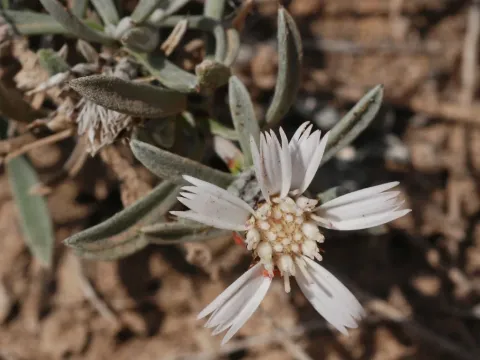
Atractylis
Atractylis L.
Atractylis L. is a genus of herbaceous plants belonging to the Asteraceae family. These plants are native to the Mediterranean basin, North Africa, and parts of Asia, typically found in arid and semi-arid environments. They are characterized by their robust nature and often distinctive spiny bracts.
What the section contains

Atractylis
The crop thrives in full sun and requires well-drained, porous soils. Soil aeration is critical; therefore, sandy or gravelly loam compositions are preferred. The plant is remarkably drought-tolerant, adapted to survive in regions with scarce precipitation and high summer temperatures.
Cultivation practices focus on ensuring low moisture levels during the root development stage. Farmers should avoid heavy, waterlogged clay soils, as these can quickly lead to root decay and suboptimal growth. The ideal pH for most species is neutral to slightly alkaline.
In terms of agricultural management, Atractylis is considered a low-input crop. Once established, it requires minimal irrigation and fertilizer. Nitrogen application should be limited to prevent excessive vegetative growth that could reduce the concentration of active pharmaceutical compounds in the roots.
The economic value of Atractylis is largely tied to its medicinal applications, specifically for the extraction of atractyloside and other metabolites. Harvesting must be timed precisely to maximize the secondary metabolite content, usually after the plant enters a dormant phase.
Root rot is the primary pathological threat, usually triggered by excessive moisture or poor drainage. Once fungal pathogens colonize the root system, it is difficult to rescue the crop, making prevention through site selection the most vital strategy.
Insect pests, including aphids and various lepidopteran larvae, may feed on the foliage and flower heads. In particularly dry seasons, spider mites can become an issue, leading to chlorosis and reduced photosynthetic efficiency in the plants.
Integrated Pest Management (IPM) is highly recommended. Because the crop is often destined for medicinal use, the use of chemical pesticides must be strictly regulated or avoided in favor of biological controls and natural predators.
Weed control is essential during the early stages of establishment. Atractylis seedlings are relatively slow-growing compared to many invasive weeds, necessitating manual or mechanical intervention until the crop is established enough to shade the soil.
Regular monitoring for symptoms of fungal infection is necessary, especially after unseasonal rain events. Removing infected plants immediately can prevent the spread of soil-borne pathogens across the entire field.