
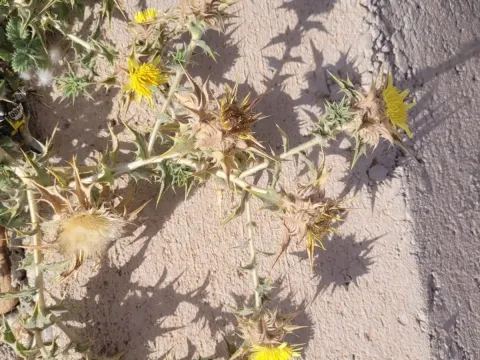
Atractylis babelii
Atractylis babelii
Atractylis babelii seeds are sown in pre-warmed soil once the threat of spring frosts has passed, typically in late spring. The optimal temperature for germination ranges between 15 and 20 degrees Celsius.
What the section contains
Atractylis babelii
For successful establishment, the soil must be well-prepared and maintain adequate moisture levels. Seeds should be planted at a depth of no more than 1–2 centimeters to ensure proper access to oxygen and light.
When using a seedling approach, sowing is performed in greenhouses 40–50 days before transplantation into the open field. This strategy allows the plant to develop a robust root system before its final placement.
Sowing density is adjusted according to the cultivation objectives, generally adhering to a spacing that ensures free airflow between plants. Thinning should be performed at the two-leaf stage.
Adherence to the sowing schedule is critical for forming a healthy vegetative structure, which lays the foundation for the accumulation of bioactive compounds throughout the season.
Atractylis babelii belongs to the Asteraceae family and prefers well-drained, fertile soils with a neutral pH. The plant is extremely sensitive to waterlogging; therefore, selecting an elevated site is essential for its survival.
This crop is heliophilic, requiring open, sun-drenched field locations. A lack of direct sunlight causes the stems to stretch, ultimately reducing the concentration of secondary metabolites in the harvested material.
In cooler climates, cultivation requires protection from strong winds that might damage the fragile stems during the peak growth period. Moderate air humidity without sudden fluctuations is ideal for this species.
Agronomic practices include regular inter-row cultivation to prevent soil crusting, which promotes better aeration of the root zone. Monitoring soil mineral levels and applying balanced fertilizers is also necessary.
The irrigation system should be kept moderate: the plant is more resilient to short-term drought than to waterlogged conditions, which trigger root rot development.
The primary threat to Atractylis babelii is fungal disease, which develops in high-moisture soil conditions. Common issues include powdery mildew and various types of leaf spot diseases.
Pests such as aphids and spider mites can cause significant damage to the foliage during dry spells. When early signs of infestation appear, the use of biological control agents with short waiting periods is recommended.
Root rot is the most dangerous pathogen as it often remains undetected until the plant is already severely compromised. Prevention involves seed treatment prior to sowing and strict adherence to crop rotation cycles.
Caterpillars from certain moth species can also reduce crop yields, requiring monitoring with pheromone traps. Regular weed removal helps minimize the risks of disease spread in the field.
- Routine field inspections to detect disease clusters at an early stage.
- Use of high-quality, resilient seeds to mitigate the impact of local pathogens.
- Timely weed management to prevent insect vectors from settling in the crop area.