
Athanasia
Athanasia L.
Athanasia L. is a genus of perennial plants and subshrubs belonging to the Asteraceae family. Native to South Africa, these plants are primarily found in the Cape Floristic Region, where they have evolved to thrive in Mediterranean-like climates with distinct wet winters and dry summers.
What the section contains

Athanasia
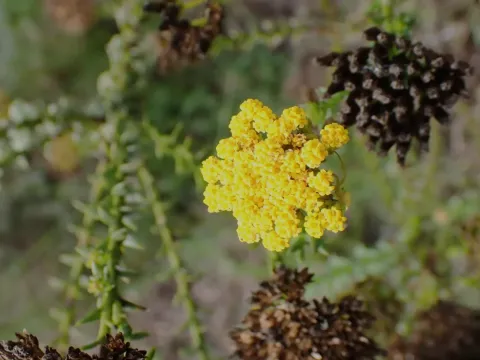
Botanically, Athanasia is noted for its leathery, often finely divided or serrated foliage, which functions as an adaptation to reduce transpiration. The plant produces dense, bright yellow flower heads clustered in corymbs, which makes it a visually striking choice for drought-tolerant garden landscapes.
Successful cultivation requires full sun exposure. Inadequate light levels will lead to leggy, weak growth and will significantly reduce the plant's ability to produce its characteristic flower heads, thus diminishing its primary ornamental value in the landscape.
The soil requirements are strict: excellent drainage is non-negotiable. Athanasia thrives in sandy, stony, or rocky soils with a neutral pH. The plants are highly susceptible to root damage if the substrate remains waterlogged for extended periods, as this restricts oxygen supply to the roots.
While the plants are adapted to arid conditions, they require supplemental water during the establishment phase and prolonged dry spells in containers. Once established, they exhibit significant drought tolerance, though irrigation should be managed to ensure the root zone is moistened but never soaked.
The most prevalent threats to Athanasia are fungal infections, particularly root and crown rot, which occur when plants are exposed to excess soil moisture. Ensuring a high-quality drainage layer in pots or well-drained soil in the field is the primary defense against these pathogens.
Pests like mealybugs and spider mites are common concerns, especially in glasshouse or indoor environments. These insects thrive in dry, warm conditions and can quickly infest foliage if not monitored regularly through routine visual inspection and manual removal.
Botrytis (gray mold) can manifest during periods of high humidity and poor ventilation. Proper air circulation is critical; therefore, avoiding overcrowded planting schemes is essential to ensure that leaves dry quickly after watering or rainfall.
Nutrient deficiency, specifically related to trace elements, can manifest as chlorosis on newer leaves. Using a balanced, low-nitrogen fertilizer helps maintain the plant's structural integrity and vibrant appearance without forcing excessive, weak vegetative growth.
Overall, Athanasia is a relatively resilient plant if the specific environmental needs are met. Routine sanitation—removing dead or damaged tissue—is recommended to prevent the buildup of inoculum and reduce the attractiveness of the plant to secondary pest species.