
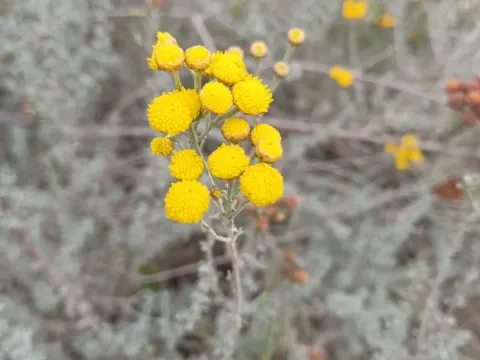
Athanasia trifurcata
Athanasia trifurcata
Sowing Athanasia trifurcata seeds is best achieved in early spring when temperatures remain consistently above freezing. The seeds require warmth and light to germinate effectively, so a shallow sowing depth is essential.
What the section contains
Athanasia trifurcata
For greenhouse production, sowing in late winter into well-drained substrate allows for early seedling establishment. Maintaining an ambient temperature of around 20 degrees Celsius ensures uniform germination within three weeks.
Seedlings should be hardened off gradually before transplanting them to their permanent outdoor location. This process typically takes about a week of exposure to shifting daily temperatures.
Direct seeding in temperate zones should only occur once the soil has warmed sufficiently. Covering the seeds with a very light layer of vermiculite helps maintain humidity around the seed without burying it too deep.
When sowing in containers, ensure the pots have adequate drainage holes. A mix of peat and perlite is generally sufficient to meet the germination needs of this species.
Athanasia trifurcata, belonging to the Asteraceae family, is a South African native adapted to dry, sunny environments. It requires full sun exposure to maintain its compact, attractive growth habit.
The soil should be sandy or stony to ensure rapid water drainage. This plant is highly sensitive to root rot, making heavy, waterlogged clay soils unsuitable for its development.
Climatic requirements involve moderate warmth during the growing season. While it can handle occasional dry spells, regular light irrigation is necessary for young plants to develop a strong root system.
Air circulation is crucial for preventing leaf diseases. If grown in high-density plantings, ensure adequate spacing to allow for natural drying of foliage after irrigation or rainfall.
Fertilization should be kept to a minimum. A balanced slow-release fertilizer applied at the start of the season is usually sufficient to support the plant's nutritional requirements throughout the year.
The primary threats to Athanasia trifurcata include fungal pathogens triggered by poor drainage. Root rot caused by Pythium or Phytophthora species is common in overly wet, cold soil conditions.
Aphids can occasionally infest the growing tips during periods of rapid vegetative expansion. Regular inspection and the use of insecticidal soaps are effective management strategies for early detection.
Powdery mildew may develop if the plant is kept in conditions of high humidity with stagnant air. Improving ventilation is the primary cultural control method to prevent this disease.
Spider mites are a potential risk in hot, arid conditions. Maintaining consistent but moderate soil moisture can help prevent plants from becoming overly stressed and susceptible to mite populations.
Biological control methods are preferred, as the plant can be sensitive to heavy chemical applications. Integrated pest management, focusing on site sanitation, remains the most reliable protective approach.
Harvesting the flowering stems for decorative use requires precision timing. Cutting the stems when the florets are just starting to fully open ensures the longest vase life or optimal drying results.
For dried flower arrangements, the stems must be hung in a dry, dark, and airy location immediately after harvest. This prevents the loss of natural color and structural integrity of the inflorescences.
Seed collection should be performed once the flower heads have fully dried and turned brown on the stem. Careful handling is necessary to prevent the small seeds from scattering prematurely.
Storage of harvested seeds must be done in airtight containers in a cool, dark environment to preserve viability for the next sowing cycle.
Clean up of crop residues after the harvest is important for hygiene. Removing old foliage prevents the accumulation of pathogens that could impact the next generation of plantings.