
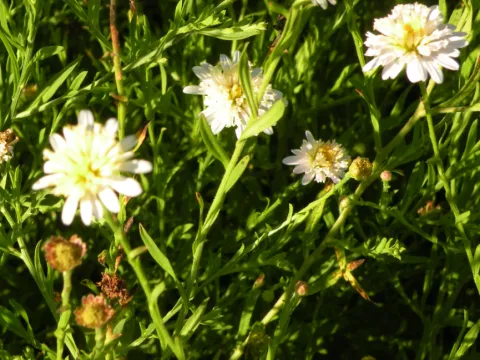
Asteromoea
Asteromoea
Sowing of Asteromoea, a member of the Asteraceae family, is typically conducted in the spring after the risk of frost has passed. The seeds of this crop show high germination rates whether sown directly into the soil or started in greenhouse conditions.
What the section contains

Asteromoea
For direct sowing, choose a site with well-drained soil and adequate sunlight. If starting from transplants, sow seeds in trays during March, maintaining a temperature of approximately 18-20 degrees Celsius to ensure uniform germination.
Preparation of the substrate is crucial; it should be light, nutritious, and have a neutral pH level. Seeds should be covered with a thin layer of soil, no more than 0.5-1 centimeter deep, as they require light to stimulate the germination process.
Once true leaves appear, seedlings should be thinned or transplanted into individual pots, providing a spacing of about 30-40 centimeters to allow for optimal root development. Adequate space helps prevent overcrowding and competition for nutrients.
Asteromoea can also be propagated vegetatively through root division, which is often the preferred method for maintaining the desired characteristics of a specific cultivar. Division is best performed in early spring or autumn during the plant's dormancy phase.
The crop has specific environmental requirements, favoring sunny locations for optimal performance. While it may tolerate partial shade, insufficient sunlight often results in leggy stems and reduced floral display.
The plant thrives in fertile, organic-rich loamy soils with excellent moisture-draining capabilities. Waterlogging is detrimental to the root system and must be avoided to prevent rot and associated fungal diseases.
Although Asteromoea shows moderate drought tolerance once established, consistent watering during hot spells is essential for maintaining vibrant blooms. Mulching around the base of the plant helps retain soil moisture and discourages weed growth.
The ideal temperature range for active growth is between 15 and 25 degrees Celsius. Being quite hardy, the plant can withstand the typical winters of temperate zones without special protection, provided it is well-established.
For sustained health and decorative value, applying balanced mineral fertilizers at the start of the growth season and again during bud development is recommended. Proper nutrition is key to maximizing the plant's natural beauty.
Fungal diseases are the primary threat to Asteromoea, particularly in environments with high humidity or poor air circulation. Powdery mildew, characterized by a white powdery coating on leaves, is a common issue.
Root rot is a major risk associated with excessive moisture and poor soil drainage. Proactive prevention involves strict adherence to watering schedules and ensuring that the planting site has adequate permeability.
Pests such as aphids and spider mites may infest the foliage, feeding on cell sap and causing stunted growth. In cases of significant infestation, systemic insecticides should be utilized in accordance with label instructions.
Slugs and snails can cause significant mechanical damage to the leaves, particularly during rainy seasons. Protective barriers or traps are effective methods to mitigate these risks and shield the plant from damage.
Regular monitoring of the garden beds allows for early detection of potential outbreaks, enabling quick intervention. Using disease-free stock and rotating planting areas helps maintain a healthy environment for the crop.
Asteromoea is primarily utilized in landscape design for its aesthetic appeal. The flowering period generally occurs from the latter half of summer through late autumn, providing long-lasting color in the garden.
For cut flower arrangements, harvest the blossoms early in the morning before they have fully opened. Cutting with a clean, sharp tool ensures minimal trauma to the parent plant and enhances the vase life of the stems.
After the flowering phase concludes, it is advisable to deadhead or prune the spent flower stalks. This practice prevents seed formation and encourages the plant to direct energy toward root growth for the next season.
At the end of the growing season, before hard frosts set in, the above-ground biomass should be cut back to the ground level. Removing these residues from the site is an important sanitation step to prevent pest over-wintering.
If propagation is required, the rootstocks can be lifted, cleaned, and stored in a cool place before spring planting. Consistent maintenance ensures that the plant remains a vibrant and healthy addition to the garden for many years.