
Calea jamaicensis
Calea jamaicensis
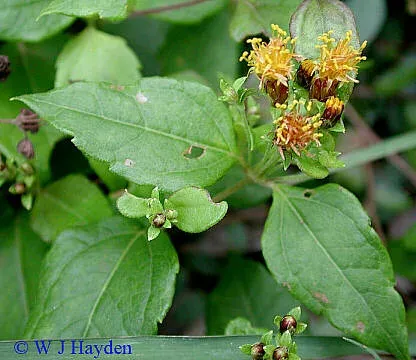
Description
Growing requirements
Calea jamaicensis is a perennial shrub belonging to the Asteraceae family. It is native to the Caribbean region, particularly Jamaica, where it thrives in diverse tropical environments ranging from coastal lowlands to forested hillsides.
The plant requires well-drained, nutrient-rich soil to reach its full potential. Agricultural success depends on maintaining a soil pH that is slightly acidic to neutral, which facilitates the optimal uptake of micronutrients necessary for healthy leaf development.
Climate requirements are strictly tropical, necessitating stable temperatures between 22°C and 30°C. Calea jamaicensis cannot tolerate frost or prolonged cool spells, making greenhouse cultivation the only viable option for regions outside its native tropical range.
Adequate sunlight is essential for this species. In agricultural settings, producers ensure exposure to direct sunlight for most of the day, as shaded conditions often lead to "leggy" growth and reduced concentration of the plant's secondary metabolites.
Water management is another critical aspect of cultivation. While the plant requires consistent moisture during its active growing phase, it is vital to avoid waterlogged conditions, which can lead to rapid root decay and loss of crop yield.
Main diseases and pests
Common pests include spider mites and aphids, which are particularly troublesome in controlled environments like greenhouses. Regular integrated pest management is necessary to maintain plant health.
Fungal issues, primarily root rot and leaf spot, occur if the growing medium remains too damp. Proper ventilation and sterile propagation practices are the primary means of preventing these agricultural threats.