
Calea hispida
Calea hispida
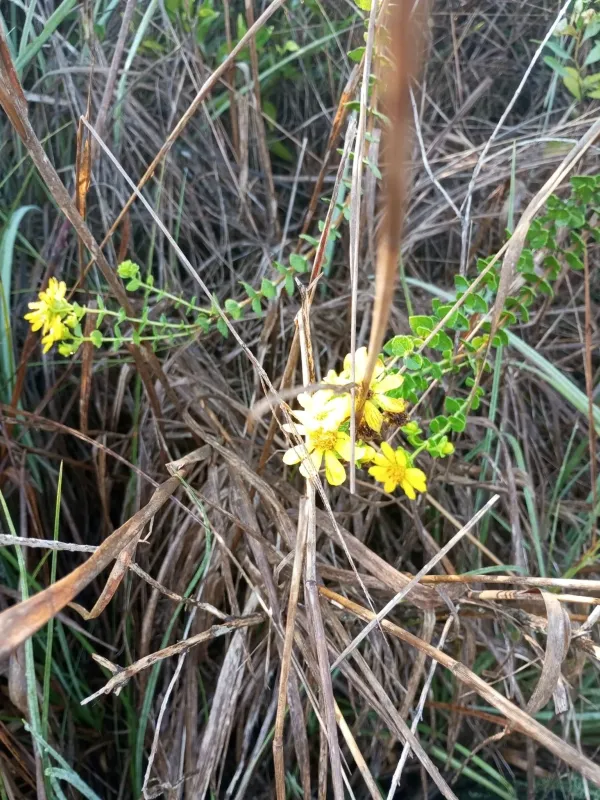
Description
Sowing dates
Calea hispida is a perennial plant, and its sowing should ideally occur during the spring when soil temperatures reach a consistent 15-18 degrees Celsius.
For better germination results, starting the seeds indoors in a greenhouse or nursery during late February or early March is highly recommended.
Transplanting seedlings into open fields should only take place after the last frost date, ensuring the soil is sufficiently warmed and prepared for growth.
Adequate plant spacing is essential to ensure proper air circulation, which prevents overcrowding and encourages healthier development of the root system.
Regular monitoring of seedbed moisture is critical during the initial germination phase to avoid damping-off diseases that can ruin young seedlings.
Growing requirements
As a member of the Asteraceae family, Calea hispida requires well-lit conditions with plenty of direct sunlight to support its vigorous vegetative growth.
The plant thrives in fertile, well-drained loamy soils, as it is particularly sensitive to stagnant water which can rapidly lead to root rot issues.
Consistent moderate watering is preferred over irregular deep irrigation to maintain a steady growth rate and prevent stress in the plant's tissues.
Organic fertilizers should be integrated into the soil during the preparation phase to provide long-term nutrition for the growing perennial crop.
The plant is sensitive to cold temperatures, making it essential to choose a sheltered location or utilize protective covers in areas prone to late frosts.
Yield
The overall yield of Calea hispida is heavily influenced by the level of maintenance provided, specifically irrigation management and weed control practices.
Harvestable biomass peaks during the second and third years of growth, as the root network becomes firmly established and able to support large plants.
Regular pruning of the stems encourages lateral branching, which increases the total amount of harvestable foliage throughout the growing season.
Optimizing planting density and ensuring proper fertilization regimes will significantly increase the total quantity of raw material obtained per hectare.
Successful management of the harvesting cycle ensures that the plant remains healthy and productive for multiple years without the need for constant replanting.
Main diseases and pests
Common agricultural pests for this crop include aphids and spider mites, which can proliferate quickly if the climate remains dry and stagnant for too long.
Root rot remains the most significant threat to plant health, usually caused by over-irrigation or soil that lacks proper drainage and aeration.
Fungal issues like powdery mildew can appear on the foliage under high humidity conditions, requiring proactive monitoring and potential biological fungicide treatments.
Leaf-eating insects and caterpillars can cause localized damage, reducing the plant's overall aesthetic quality and ability to perform photosynthesis efficiently.
Effective prevention strategies include rotating crops and maintaining clean field environments to minimize the presence of pathogen reservoirs in the soil.
Harvesting
The optimal harvest timing for Calea hispida occurs at the beginning of the blooming phase, as this is when active compounds reach their peak concentration.
Harvesting is performed by carefully cutting the upper stems, ensuring that the collected material is free from dirt, debris, and damaged leaves for purity.
Immediately after harvest, the biomass must be dried in a dark, well-ventilated area to prevent degradation of chemical properties caused by UV exposure.
Controlled drying temperatures around 35-40 degrees Celsius are ideal for preserving the integrity of the plant's essential oils and active ingredients.
Final storage should be in airtight, moisture-resistant containers located in a cool, dark place to maintain shelf-life and high quality for end-users.