
Brickellia eupatorioides
Brickellia eupatorioides
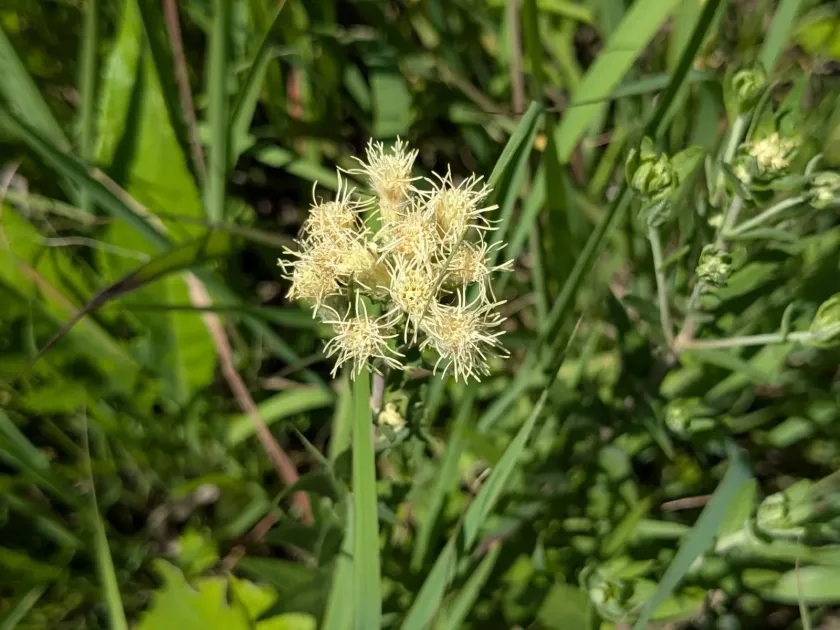
Description
Sowing dates
Sowing of Brickellia eupatorioides is best performed in early spring once the soil temperature consistently reaches favorable levels for germination.
Direct seeding in prepared beds should be done at a shallow depth, as the seeds require minimal soil coverage to effectively initiate growth.
Seed stratification is highly recommended for commercial production to ensure uniform emergence across the entire field.
Row spacing should be maintained between 50 and 70 centimeters to allow for optimal airflow and mechanized weed management during the season.
Plants can also be started in trays as transplants, which reduces the establishment time and improves survival rates in adverse field conditions.
Growing requirements
Brickellia eupatorioides, commonly known as false boneset, is a member of the Asteraceae family noted for its drought tolerance.
The crop thrives in well-drained, sandy or rocky soil compositions that prevent the accumulation of excess water around the root collar.
Full sun exposure is essential for this species, as it directly impacts the accumulation of secondary metabolites in the plant tissues.
The crop is highly adapted to neutral soil pH levels and performs well in environments where other moisture-loving crops might struggle.
Water requirements are relatively low after the establishment phase, making it a sustainable choice for regions prone to periodic water scarcity.
Main diseases and pests
The main threats to the plant include root rot pathogens that proliferate in poorly drained soils or during extended rainy periods.
Foliar diseases such as powdery mildew may occur in dense plantings with restricted air circulation, potentially reducing the total biomass yield.
Aphids and mites are the most common pests, often clustering on the tender buds and young leaves throughout the peak summer months.
Integrated pest management strategies focusing on cultural practices, such as proper spacing, are more effective than systemic insecticides.
Monitoring the fields for signs of wilting is critical, as it serves as an early warning for potential root-related health issues.
Harvesting
Harvesting is executed during the peak blooming period when the plant contains the highest concentration of active compounds.
The aerial parts are harvested by cutting the stems at a specific height, ensuring that the base of the plant remains intact for subsequent regrowth.
Immediate post-harvest cooling is required to maintain the chemical integrity of the plant and prevent enzymatic degradation of valuable components.
Drying should take place in a shaded environment with consistent ventilation to preserve the quality and color of the harvested material.
Once dried to the desired moisture level, the product is milled, processed, and stored in climate-controlled facilities for market distribution.