
California brickellbush
Brickellia californica
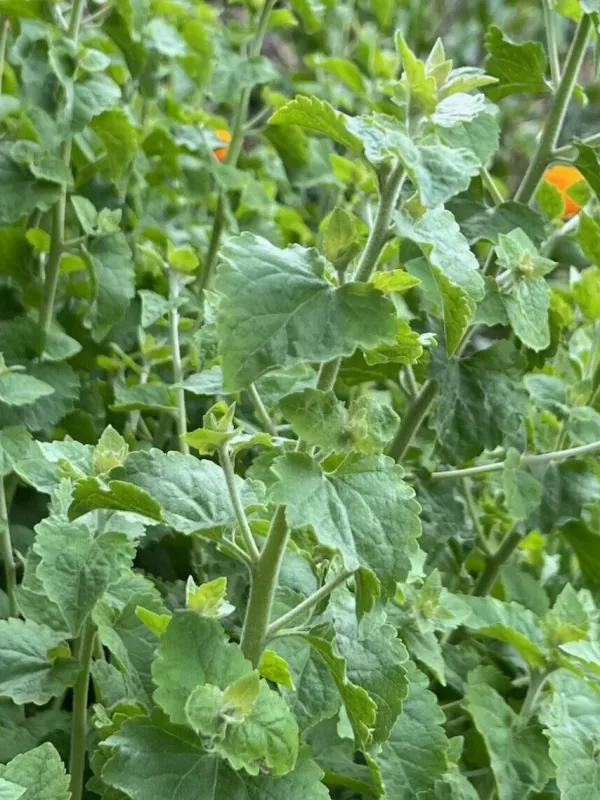
Description
Growing requirements
California brickellbush (Brickellia californica) is a woody shrub belonging to the Asteraceae family. It is native to the western United States and parts of Mexico, where it thrives in rocky slopes and arid habitats.
This species is highly valued for its exceptional drought tolerance, making it an excellent candidate for agricultural diversification in water-stressed areas. It requires full sun exposure and well-drained, porous soils to flourish.
The botanical characteristics include gray-green foliage and creamy-white flower heads that appear in late summer and autumn. The plant typically reaches a height of one to two meters, depending on local soil fertility and moisture availability.
Soil requirements prioritize low moisture retention. Sandy or gravelly loam is ideal, as it prevents the root decay commonly associated with heavy, waterlogged substrates. No heavy fertilization is needed.
It is widely recognized for its ecological importance as a forage plant for wild pollinators, including native bees and butterflies, which are essential for the balance of local agricultural ecosystems.
Main diseases and pests
The primary threats to Brickellia californica are related to environmental factors rather than pests. Soil saturation is the leading cause of plant mortality due to the development of root fungal infections.
In humid climates, the plant may exhibit susceptibility to leaf spot diseases. Ensuring proper airflow through strategic planting density is the most effective cultural method to mitigate this risk.
Pests such as aphids may occasionally congregate on new growth, but they rarely threaten the overall health of the shrub. Natural predators like ladybugs are usually sufficient to manage these populations.
Weed competition is a significant threat during the establishment phase. Keeping the area clear of invasive grasses during the first year of growth is crucial for the plant to establish its deep root system.
There are no known significant viral diseases that target this species specifically, allowing for a sustainable, low-intervention approach to management in wild-harvesting or cultivated settings.