
Brickellia oblongifolia
Brickellia oblongifolia
Description
Growing requirements
Brickellia oblongifolia is a perennial subshrub belonging to the Asteraceae family. It is native to the arid and rocky regions of North America, where it has evolved to thrive in environments with limited moisture and harsh solar exposure.
The plant requires well-drained, porous soil conditions to survive. It is typically found in gravelly or sandy substrates that provide sufficient aeration and prevent the accumulation of excess water around the crown of the plant.
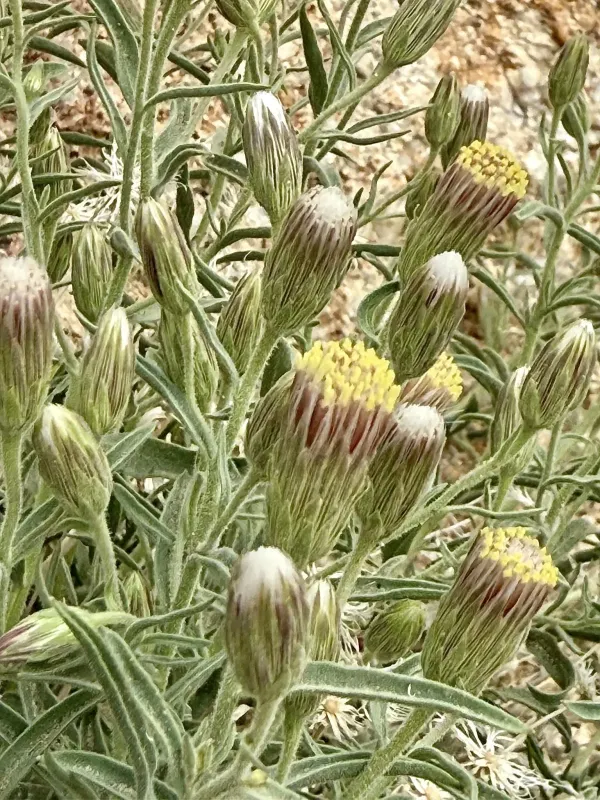
Botanically, it is characterized by its oblong-shaped, glandular-pubescent leaves. These hairs are not just aesthetic but serve as a crucial adaptation to reflect harsh sunlight and minimize transpirational water loss in its natural desert-like habitat.
Agricultural practices for this species focus on mimicking its native drought-resilient environment. It requires full sun exposure and is highly sensitive to high humidity and waterlogged soil, which are the primary limiting factors for its successful propagation.
Historically, the plant has been utilized for its phytochemical properties. Researchers continue to explore its chemical composition to understand its medicinal value, specifically focusing on its traditional use by indigenous cultures for various ailments.
Main diseases and pests
The most significant threat to Brickellia oblongifolia is fungal pathogen attack caused by overwatering or high atmospheric humidity. These conditions lead to root rot and crown blight, which can decimate populations in a short time.
Pests such as aphids and spider mites can colonize the foliage during the growing season. While the plant's glandular secretions provide some chemical defense, heavy infestations require intervention to prevent stunted growth and structural damage.
Invasive weeds pose a constant threat to the establishment of the crop. Due to the slow growth rate of this perennial, competition for sunlight and limited nutrients must be managed through diligent weeding in the early stages of cultivation.
Seed predation by insects can affect the natural regeneration of the species. Proper post-harvest management and storage of seeds are necessary to ensure viability for subsequent planting cycles in controlled nursery environments.
Environmental stressors, such as extreme late frosts following a warm period, can cause tissue dieback. Maintaining a stable growing environment and ensuring proper drainage are the primary defense strategies against biological and physical threats.