
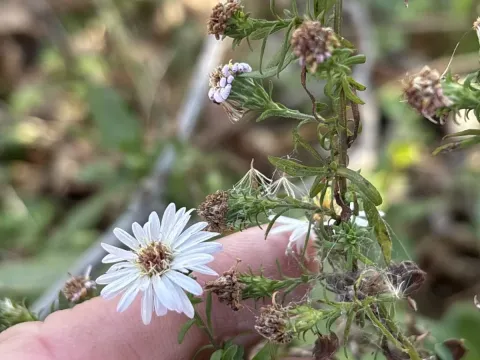
Brachyactis
Brachyactis
Plants of the genus Brachyactis, specifically the most common species Brachyactis ciliata, propagate by seeds. In natural conditions, seeds mature by late summer or early autumn, after which they are dispersed by the wind over long distances thanks to the presence of pappus.
What the section contains
Brachyactis
In the agricultural cycle, the appearance of seedlings is observed in early spring when the soil temperature reaches 8–10°C. Seed germination occurs mainly in the topsoil layer, so deep plowing is an effective method of suppressing their development in fields.
The plant's life cycle allows it to quickly colonize vacant areas, so in crops, Brachyactis often appears as a competitive weed component. Germination intensity directly depends on the level of moisture and the degree of lighting of the site.
For agronomic control, it is important to consider that seeds can remain viable in the soil for several years, which requires a long-term systematic approach to field monitoring. Adherence to crop rotation and timely fallow tillage significantly reduce the seedling population.
Autumn cultivation of soils also contributes to the depletion of the seed bank, as it provokes the germination of the autumn generation, which subsequently dies from low temperatures before it can form viable fruits.
Brachyactis belongs to the Asteraceae family and demonstrates high adaptability to various environmental conditions. The culture is often found on saline soils, making it an indicator of land degradation or excessive salt content in the upper soil horizons.
The plant prefers well-lit open areas and reacts extremely negatively to shading by tall agricultural crops. The optimal soil pH level for active development is in the slightly alkaline or neutral range.
Moisture requirements are moderate, but the culture is capable of enduring short periods of drought due to its developed root system, which penetrates into the lower layers of the soil. Excessive waterlogging in the spring period can lead to a temporary slowing of growth rates.
The culture is undemanding regarding the mechanical composition of the soil, successfully developing on both loams and sandy soils with low humus content. The presence of nitrogen compounds in the soil stimulates vegetative mass but is not a critical factor for survival.
The climatic resistance of the species allows it to grow in zones with temperate and cold climates, including regions with frequent spring frosts, which do not cause significant damage to young leaf rosettes.
In agricultural crops, Brachyactis acts as a competitor for nutrients and moisture, which indirectly reduces the overall productivity of the fields. The main damage lies in creating unfavorable conditions for the growth of the main crop in the early stages of vegetation.
The plant can be an intermediate host for a number of pathogens of the Asteraceae family, including fungal diseases such as powdery mildew and various types of rust. These diseases can spread to useful crops if the weed density is high.
Pests typical of composite plants, such as aphids, can use Brachyactis as a reservoir until the main agricultural crops appear. This requires careful clearing of field margins and roadsides around the fields.
Chemical control of this plant is complicated by its high resistance to some common 2,4-D group herbicides, which dictates the need to use tank mixes with modern broad-spectrum preparations.
An effective method of control is the use of agronomic measures, such as harrowing, which destroys the root system and prevents photosynthesis at the seedling stage, reducing the need for chemical treatment.