
Brachyscome hybrids
Brachyscome hybrids
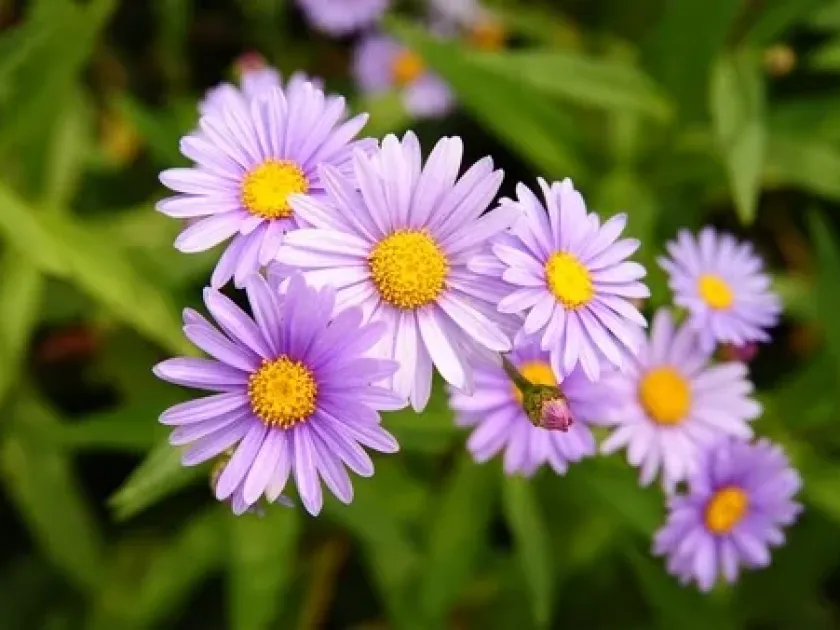
Description
Sowing dates
Brachyscome hybrids belong to the Asteraceae family. Known for their delicate daisy-like flowers and finely divided foliage, these plants are popular as annuals in temperate climates.
Seeds are typically sown indoors in late winter or early spring. They require light to germinate, so they should be surface-sown and barely covered with a fine layer of vermiculite.
A consistent temperature of approximately 20°C is ideal for seedling development. Adequate light is crucial during the early stages to ensure strong, stocky plant growth.
Once the danger of frost has passed, the hardened-off seedlings can be moved outdoors. They thrive in various setups, from border gardens to hanging baskets.
Proper spacing is important for this species. Planting them about 25 cm apart allows for sufficient air circulation, which helps prevent the buildup of humidity around the base of the plant.
Growing requirements
This crop requires a location that receives full sun for the majority of the day. Exposure to ample sunlight is a key factor for maintaining the intense flowering habit characteristic of the hybrid varieties.
The soil must be well-draining and light. Sandy loam or a high-quality potting mix is preferred, as these plants do not tolerate "wet feet" and may succumb to root rot in poorly draining conditions.
Watering should be regular but careful. It is best to allow the top layer of soil to dry out slightly before the next irrigation, ensuring that the roots remain hydrated without being waterlogged.
While Brachyscome is relatively low-maintenance, a balanced liquid fertilizer applied every few weeks during the peak growing season will help maintain continuous blooms.
Climate tolerance is moderate, though the plants prefer cooler summer nights. In extremely hot climates, some shade during the hottest part of the afternoon may be beneficial.
Main diseases and pests
Root rot is the most common issue associated with Brachyscome hybrids. It is almost always a result of overwatering or using heavy soil that retains too much moisture for too long.
Pests like aphids can occasionally cluster on tender flower stalks. These can be managed with insecticidal soap or by introducing beneficial insects like ladybugs into the garden ecosystem.
Whiteflies can also pose a problem in warm, greenhouse-like conditions. Monitoring the underside of leaves for signs of infestation is a recommended practice for all growers.
Fungal diseases, including powdery mildew, may occur if the plants are placed in areas with stagnant air. Improving airflow is the most effective cultural method to combat this.
Prevention through proper sanitation—removing dead flowers and fallen leaves—is essential to keep the planting area clean and reduce the risk of secondary infections.