
Brachyscome campylocarpa
Brachyscome campylocarpa
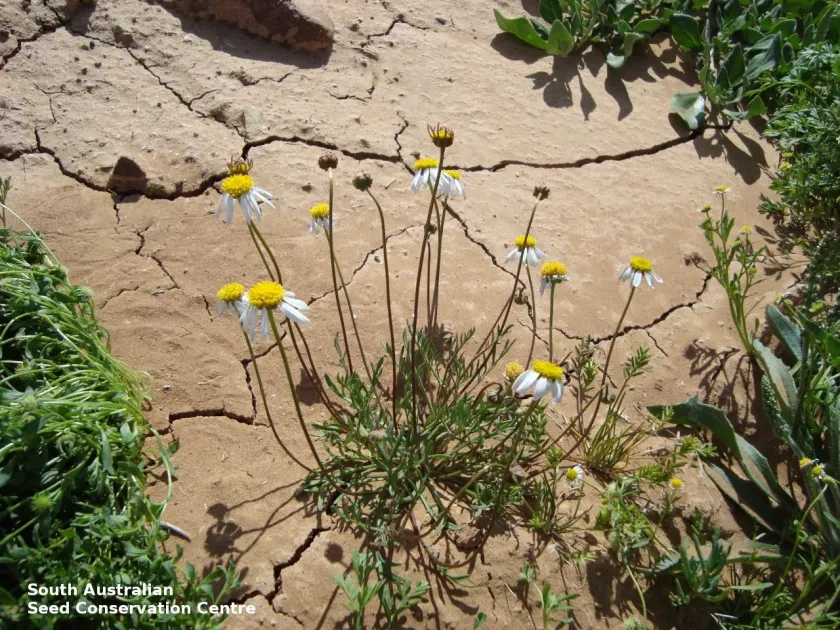
Description
Sowing dates
The sowing of Brachyscome campylocarpa seeds is typically performed in March or April to prepare seedlings for the growing season. Seeds should be sown on the surface of a light, well-draining substrate, as they require light for optimal germination.
The ideal temperature for seed germination ranges between 20 and 22 degrees Celsius. Initial shoots usually emerge within 7 to 14 days, provided that the soil moisture and ambient humidity are kept consistent.
Seedlings should be pricked out into individual pots or cell trays once the second pair of true leaves has developed. Ensuring adequate space between individual plants at this stage is crucial for healthy root system development.
Hardening off the seedlings is a necessary procedure before transplanting them into open ground. This process should take place over two weeks, gradually acclimatizing the plants to outdoor conditions.
Belonging to the Asteraceae family, this plant demonstrates vigorous growth during the spring and summer months. Direct seeding in the soil is possible in regions with mild climates once the frost danger has completely passed.
Growing requirements
Brachyscome campylocarpa is a sun-loving plant that requires full sunlight for optimal performance. Shaded locations will result in leggy growth and significantly reduced flowering capacity throughout the season.
The plant thrives in light, fertile, and well-draining soils with a neutral or slightly acidic pH. Proper drainage is the most critical factor in soil management, as waterlogging is highly detrimental to the root system.
While the plant shows moderate drought tolerance, regular watering is essential during the vegetative growth phase and the budding period. One must balance moisture levels to avoid both water stress and rot.
Fertilization with a balanced, low-nitrogen mineral fertilizer promotes better flower production. Excessive nitrogen will lead to vegetative overgrowth at the expense of floral display.
Originating from Australian environments, this species is well-adapted to moderate climate zones. It prefers stable temperatures between 18 and 25 degrees Celsius for active biological development.
Main diseases and pests
Aphids and spider mites are the primary pests affecting this crop, particularly in dry and hot conditions. These pests can cause significant damage to foliage if left untreated for extended periods.
Fungal diseases, including root rot and grey mold, are common in poorly drained or overwatered conditions. Improving air circulation and soil aeration is vital for preventing these pathogen outbreaks.
Powdery mildew may occur when plants are crowded together, hindering proper airflow. Maintaining proper plant spacing is an effective cultural method to reduce the risk of such infections.
Effective management includes the use of appropriate systemic insecticides and fungicides when signs of infestation appear. Always ensure that the applications are done during the early stages of a problem.
Consistent monitoring and good garden hygiene, such as removing infected parts, are the best practices for maintaining the health and aesthetics of Brachyscome campylocarpa throughout its life cycle.