
Brachyscome aculeata
Brachyscome aculeata
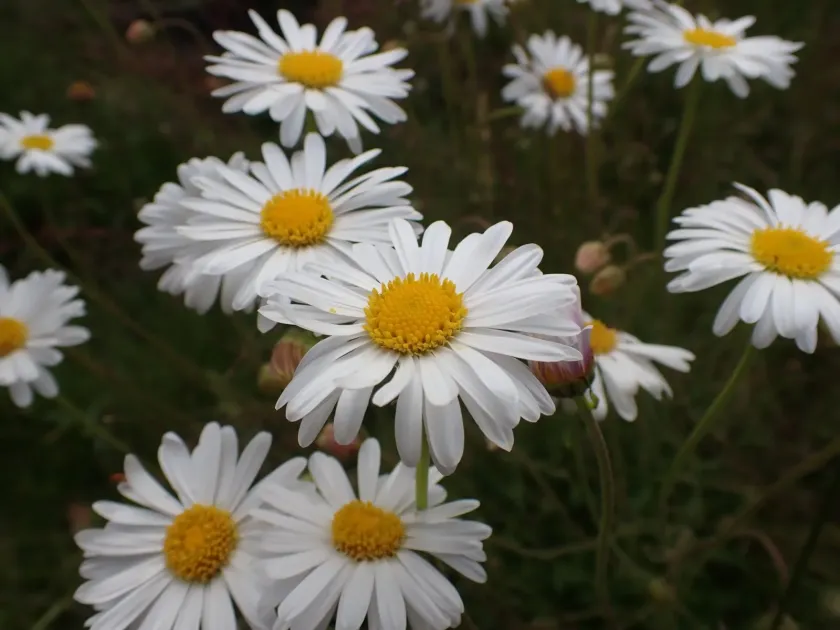
Description
Sowing dates
Brachyscome aculeata is a member of the Asteraceae family, valued for its ornamental properties. Sowing usually begins in late winter or early spring in a greenhouse or controlled environment to ensure early bloom.
Seeds should be sown on the surface of well-drained, sterile substrate and lightly pressed down; they require light for optimal germination and should not be buried deep in the soil.
Maintaining a constant humidity level is essential during the initial growth phase, but the surface should not be waterlogged to prevent the damping-off of tender seedlings.
Seedlings are ready for transplanting once they develop two or three sets of true leaves, requiring careful handling to avoid damage to the delicate root system.
Acclimatization to outdoor conditions is a critical step, which involves exposing the plants to ambient temperatures gradually over the course of seven to ten days before final planting.
Growing requirements
This species thrives in full sun, requiring at least six to eight hours of direct light daily to maintain its compact growth habit and produce abundant flowers throughout the season.
Well-drained, sandy loam soil is preferred. While the plant is somewhat adaptable, it performs best in soils with a slightly acidic to neutral pH range and good organic content.
Watering should be balanced; while the plants are drought-tolerant once established, consistent moisture during the peak flowering stage improves overall plant health and bloom density.
Fertilization with a balanced, slow-release fertilizer at the start of the season, followed by light applications of a potassium-rich liquid feed, promotes continuous flower production.
Regular maintenance, including deadheading spent blooms, is highly recommended to encourage secondary branching and extend the flowering window well into the autumn months.
Main diseases and pests
The primary threats to Brachyscome aculeata include root rot and fungal issues if the soil remains excessively wet or if air circulation around the canopy is poor.
Slugs and snails can be problematic in high-humidity areas, often feeding on the soft succulent foliage of younger plants, necessitating protective barriers or bait stations.
While generally pest-resistant, aphids may colonize the flower stalks during periods of stress, which should be addressed with insecticidal soaps or neem oil applications.
Prevention is centered on site selection, ensuring that plants are placed in areas with ample airflow to minimize the risk of mildew development during damp weather spells.
Monitoring the undersides of leaves is a good practice for early detection of mites or other sap-sucking insects that could reduce the aesthetic value of the decorative display.