
Brachyscome graminea
Brachyscome graminea
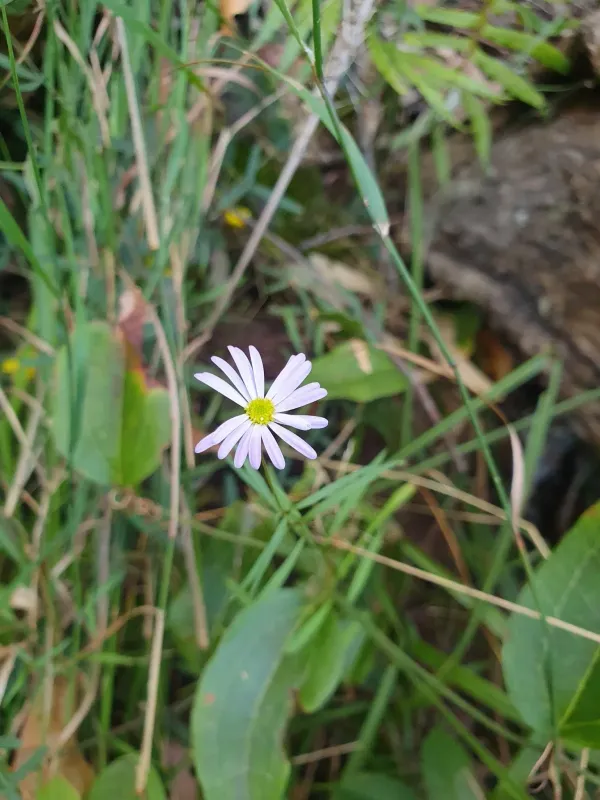
Description
Sowing dates
Sowing Brachyscome graminea seeds is best done in early spring, ideally under glass or in a controlled indoor environment. The seeds are very small and should be sown on the surface of a light, well-draining seed-starting mix, pressing them gently into the soil without covering them too deeply.
Maintain a consistent temperature between 18 and 22 degrees Celsius to ensure rapid and uniform germination. Provide sufficient light once the seedlings emerge to prevent them from becoming spindly or weak, which often happens in low-light conditions.
Pricking out the young seedlings into individual small pots or trays allows each plant to develop a strong, healthy root system before being moved outdoors. This transition period is crucial for the overall vigor and survival of the plants later in the season.
Hardening off the seedlings is a mandatory step before transplanting them into the open garden. Gradually introduce the plants to outdoor conditions over a week to prevent transplant shock, which can stunt their growth significantly.
Direct sowing in the garden is only recommended for areas with long, warm growing seasons where the soil has thoroughly warmed up by late spring. Otherwise, the indoor start method remains the most reliable for achieving early and abundant flowering.
Growing requirements
Brachyscome graminea belongs to the Asteraceae family and thrives in open, sunny locations with high light intensity. It requires a well-aerated, sandy-loam soil that mimics its natural habitat, ensuring that the roots are never left in waterlogged conditions.
The plant is highly adaptable to various soil types, provided that drainage is excellent. Heavy clay soils should be amended with organic matter and grit to improve structure and promote healthy root development, which is essential for this species.
Temperature requirements for optimal growth are moderate, as the plant prefers warm but not excessively hot conditions. In very hot climates, partial afternoon shade can help protect the delicate foliage from heat stress and extend the duration of the blooming cycle.
Watering should be consistent but moderate, allowing the surface of the soil to dry out slightly between waterings to prevent root disease. During the peak flowering season, liquid fertilization every few weeks helps sustain the rapid production of new buds.
Regular maintenance, including deadheading spent flowers, will prevent the plant from putting energy into seed production and instead encourage further flowering until the first frost of the autumn season.
Main diseases and pests
Aphids are the most common pest for Brachyscome graminea, often clustering on the tender new growth and flower stalks. If left untreated, they can spread viruses and cause deformation, so immediate action using insecticidal soap or neem oil is recommended.
Root rot is the primary physiological threat, usually caused by overwatering or poor drainage in the container or garden bed. This is particularly prevalent in periods of high humidity and rainy weather when the soil cannot dry out efficiently.
Spider mites can become a problem in hot, dry environments, manifesting as fine webbing on the underside of leaves. Increasing local humidity or applying appropriate acaricides can keep these infestations under control and preserve the foliage quality.
Fungal leaf spot diseases may appear if the plants are crowded together and air circulation is poor. Ensuring adequate spacing and watering at the base of the plant rather than overhead is the best preventive strategy for any fungal issues.
Slugs and snails may occasionally feed on young transplants, especially in damp conditions. Using copper tape, barriers, or organic bait can effectively shield the plants during their most vulnerable stage of establishment in the garden.