
Brachyscome dentata
Brachyscome dentata
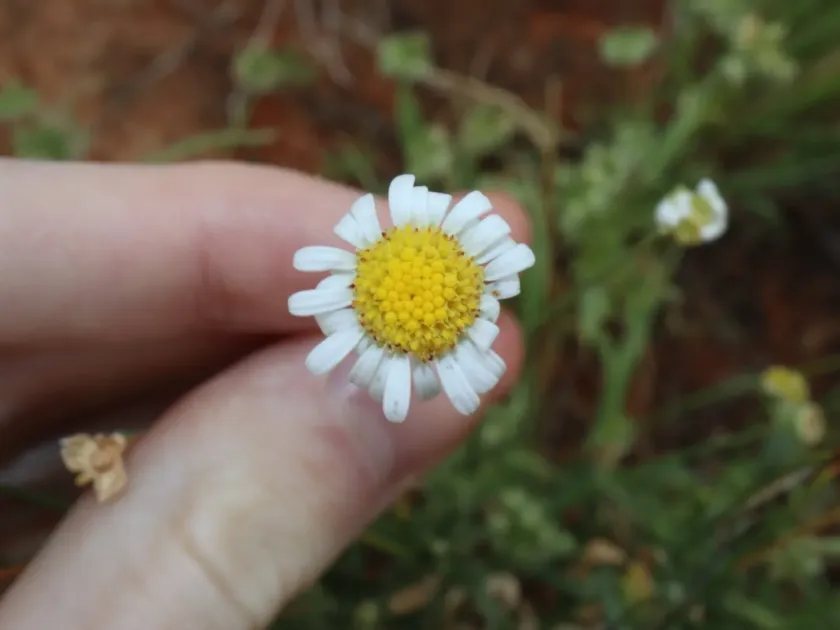
Description
Sowing dates
Brachyscome dentata is a graceful annual herbaceous plant belonging to the Asteraceae family. Known for its delicate appearance and profuse flowering, it has become a popular choice for gardeners seeking to add a light, airy touch to their flower beds and borders.
The species is native to Australia, having adapted to diverse environmental conditions. In cultivation, it is valued for its ability to produce a continuous display of daisy-like flower heads throughout the growing season.
Botanically, this plant features finely divided, fern-like foliage and slender, branching stems that grow to a modest height. This unique structure allows it to blend seamlessly into various landscaping styles, ranging from cottage gardens to modern container displays.
Propagation is typically done by sowing seeds indoors in late winter or early spring. The seeds are very small and require light for germination, meaning they should be sown on the surface of a moist seed-starting mix and only lightly pressed down.
Outdoor transplanting should only occur once the danger of frost has passed. The plant thrives when soil temperatures are stable, and it can be moved to its permanent location in the garden after the risk of cold snaps has fully subsided.
Growing requirements
This plant has a strong preference for sunny locations. Exposure to direct sunlight is essential for stimulating the development of buds and ensuring the vibrant coloration of the petals, as shade often results in leggy growth and reduced flowering.
Soil requirements focus on excellent drainage. Brachyscome dentata performs best in light, sandy, or loamy soils that do not hold excess moisture. Heavy clay soils should be amended with organic matter or grit to improve aeration and water permeability.
Watering practices should balance the plant's need for hydration with the risk of root rot. While the plant possesses moderate drought tolerance, consistent moisture is necessary during the peak of summer to maintain vigor and prevent premature wilting.
Fertilization plays a key role in the plant's long-term performance. A balanced, water-soluble fertilizer applied every two weeks during the active blooming phase will provide the necessary nutrients for continuous flowering and healthy leaf growth.
Deadheading is a recommended maintenance practice for this species. By removing faded flowers, the gardener prevents seed set and encourages the plant to channel its energy into producing new blooms, thereby extending the ornamental display.
Main diseases and pests
The most common pests affecting this plant are aphids and spider mites. These insects tend to thrive in dry, hot conditions and can cause significant damage if left unchecked, leading to leaf discoloration and stunted plant growth.
Early detection is vital for pest management. Regular inspections of the undersides of leaves can help identify small colonies before they escalate. Insecticidal soaps or neem oil are effective and safe options for treating light infestations.
Root rot is the primary disease threat, usually stemming from over-irrigation or inadequate drainage. Preventing this issue involves monitoring the soil moisture levels and ensuring that the pots or garden beds have proper outlets for excess water.
Fungal issues such as powdery mildew may develop if there is poor air circulation around the plants. Providing adequate spacing during planting ensures good airflow, which significantly reduces the humidity levels that fungi require to spread.
Maintaining a clean garden environment by removing plant debris at the end of the season helps to disrupt the life cycles of potential pests and pathogens, ensuring a healthier start for the following year's planting cycle.