
Boltonia asteroides var. latisquama
Boltonia asteroides (L.) L'Hér. var. latisquama (A. Gray) Cronquist
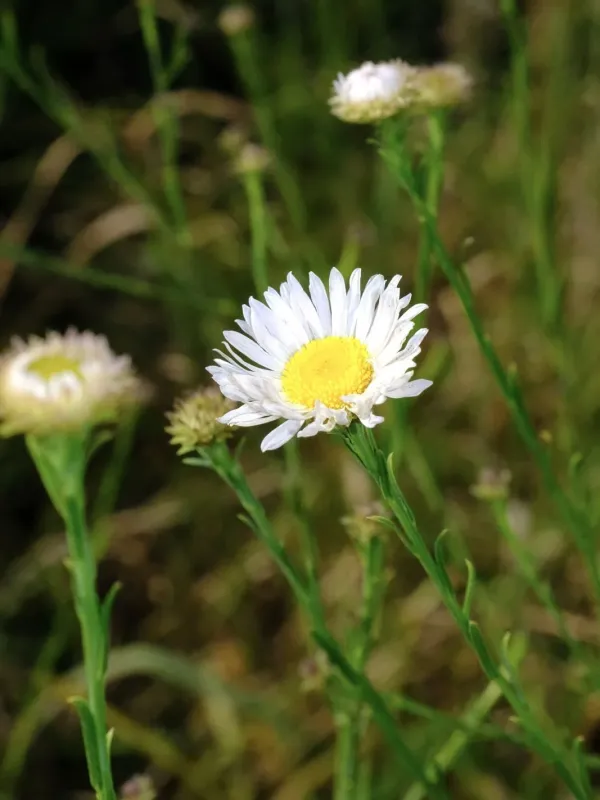
Description
Sowing dates
The sowing of Boltonia asteroides var. latisquama seeds is primarily carried out in the spring, once the soil has warmed up to 15-18 degrees Celsius. For earlier flowering, starting seeds indoors in trays during March is a viable option.
In open ground, seeds should be sown at a depth of no more than 0.5–1 cm, as they are small and require light for optimal germination. Once seedlings emerge, they should be thinned to a spacing of about 40–50 cm between plants.
This crop is also successfully propagated vegetatively through division. This procedure is recommended in early spring or autumn to ensure the plant has enough time to establish its root system before extreme temperatures occur.
When grown from seed, plants form a robust rosette of leaves in the first year. Full flowering generally occurs in the second year of growth, following a winter dormancy period.
An important factor during sowing is location selection: the crop prefers open areas with good sunlight exposure, although it can tolerate light shade in regions with hot climates.
Growing requirements
Boltonia asteroides var. latisquama belongs to the Asteraceae family and has specific moisture requirements for its soil. It performs best in fertile, loamy substrates that can retain moisture without becoming waterlogged.
The plant is quite demanding regarding regular watering, especially during periods of active growth and bud formation. Prolonged drought negatively impacts its ornamental appeal, causing premature leaf yellowing.
The crop prefers a temperate climate with consistent rainfall. In southern regions, mulching the root zone with organic materials is necessary to maintain cool soil temperatures.
Successful growth requires timely fertilization with complex mineral fertilizers during spring and early summer. Excessive nitrogen levels may result in abundant foliage growth at the expense of flowering.
During the winter, the plant demonstrates moderate frost resistance. In regions with harsh, snowless winters, light coverage with evergreen boughs or a layer of peat is recommended to protect the root system.
Main diseases and pests
Boltonia possesses natural resistance to many diseases; however, if agricultural practices are neglected, it may suffer from fungal infections. Powdery mildew is a primary concern, particularly when air circulation is poor.
Root rots may develop in cases of excessive soil moisture or stagnant water in heavy clay soils. Ensuring proper drainage in planting holes is essential for prevention.
Common pests found on Boltonia include aphids and spider mites. These insects multiply rapidly during dry, hot weather by sucking sap from young stems and leaves.
For pest control, it is recommended to use systemic insecticides or biological preparations based on avermectins. Conducting regular inspections of the plants throughout the growing season is critical.
Overcrowded plantings increase the risk of leaf spot diseases. It is advisable to maintain proper spacing between clumps and regularly remove faded flower heads to improve sanitation in the garden area.