
Boltonia asteroides
Boltonia asteroides (L.) L’Hér.
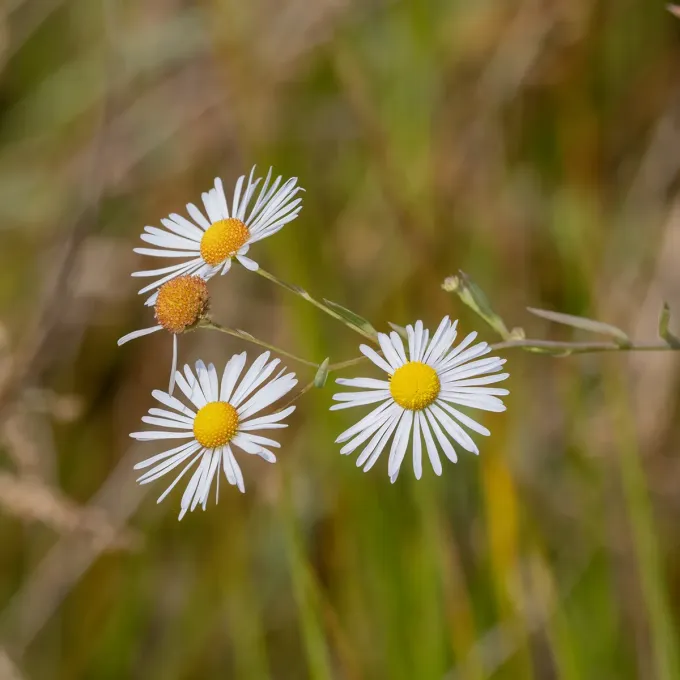
Description
Sowing dates
Boltonia asteroides, commonly known as false aster, is a hardy perennial belonging to the Asteraceae family. It is typically propagated by seeds or division of mature clumps in early spring.
When starting from seeds, cold stratification for 4–6 weeks is crucial to break dormancy and ensure high germination rates. Seeds should be surface-sown, as they require light to germinate effectively.
Seedlings develop rapidly and should be thinned out or transplanted once they reach a height of 5–10 cm. Adequate ventilation in the nursery phase is essential to prevent damping-off diseases.
Planting in the field is best performed after the risk of late spring frosts has passed. Space plants approximately 60–90 cm apart to allow for sufficient air circulation and light penetration.
Clump division remains the most reliable method for clonal propagation. Dig up the root ball, separate it into smaller sections with viable shoots, and replant immediately to prevent dehydration.
Growing requirements
Boltonia asteroides thrives in full sun conditions. While it can tolerate partial shade, maximum flowering intensity and structural stability are achieved in locations receiving at least 6–8 hours of direct light.
The plant is highly adaptable to various soil types but performs best in moist, rich, loamy soils. It has a high tolerance for wet conditions, making it an excellent choice for rain gardens or pond edges.
Soil pH should ideally be neutral or slightly acidic. Providing a layer of organic mulch helps maintain consistent soil moisture throughout the peak summer growing season.
Regular irrigation is vital during dry spells, especially before and during the blooming period in late summer. Avoid overhead watering to keep the foliage dry and reduce disease risk.
Fertilization with a balanced, slow-release formula in early spring promotes vigorous growth. Avoid excessive nitrogen applications, which can cause the stems to become weak and prone to lodging.
Main diseases and pests
The plant is generally robust and disease-resistant. However, in poorly ventilated or excessively damp environments, powdery mildew can occur, manifesting as a white coating on the leaves.
Aphids are the primary insect pests affecting flower buds. Early intervention with insecticidal soaps or horticultural oils is recommended to keep populations in check without harming beneficial pollinators.
Root rot can be a significant threat if plants are sited in areas with poor drainage and standing water. Selecting sites with adequate soil porosity is the primary prevention strategy.
Slugs and snails may feed on young foliage in early spring. Protecting young plants with physical barriers or organic baits is effective during periods of frequent rainfall.
Regular maintenance, including the removal of dead leaves in late autumn and cleaning up debris, is essential for minimizing overwintering sites for potential fungal pathogens.