
Boltonia decurrens
Boltonia decurrens (Torr. & A. Gray) Alph. Wood
Description
Growing requirements
Boltonia decurrens, commonly known as the decurrent false aster, is a herbaceous perennial plant belonging to the Asteraceae family. It is a rare species native to the floodplain areas of the Illinois River in the United States.
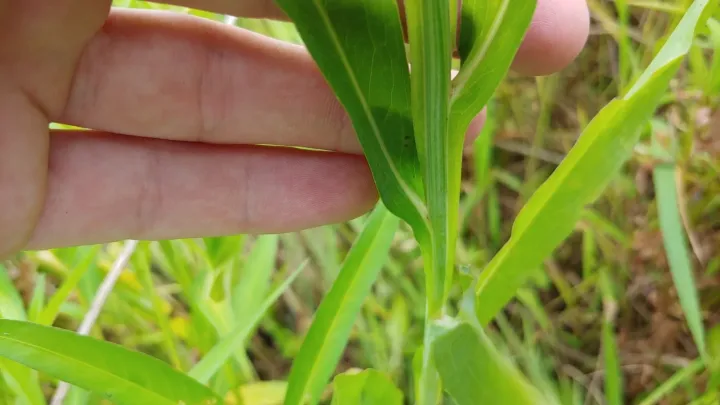
The plant is botanically distinguished by its leaves, which extend down the stem, providing the inspiration for its specific epithet. It can grow up to two meters tall, displaying branched stems with numerous small, daisy-like flowers.
This species requires high soil moisture and thrives in alluvial soils. Its life cycle is closely linked to natural flood disturbances; periodic flooding is necessary to reduce competition from other, faster-growing species.
Sunlight is a critical requirement for Boltonia decurrens. It is classified as an obligate wetland species, needing full sun exposure to maintain its metabolic activity and ensure successful seed production during the growing season.
While not a traditional agricultural crop, it holds significant interest for environmentalists and botanists focused on the restoration of riparian zones and the preservation of native plant diversity in wetland ecosystems.
Main diseases and pests
The primary threat to the survival of this species is the alteration of natural hydrological cycles due to levee construction and river channel modification. Without natural floods, its habitat becomes overgrown with competing vegetation.
Invasive species, such as Reed Canary Grass, present a major ecological challenge. These plants can quickly colonize the habitats where Boltonia decurrens grows, effectively crowding out the native population.
Pathogens affecting the plant are typically related to fungal infections under conditions of poor air circulation and excessive dampness. These infections can lead to leaf spots and reduced overall vigor of the perennial.
Herbivory, particularly by deer or livestock in unprotected areas, can cause mechanical damage and prevent the plant from reaching its flowering stage, thereby hindering the seed bank replenishment.
Conservation efforts currently focus on managing the water levels in specific protected areas and implementing controlled burning or mechanical clearing to simulate natural disturbances and support existing colonies.