
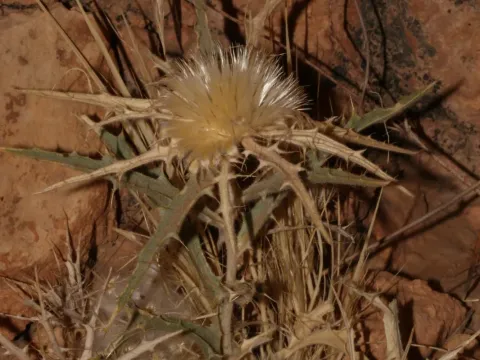
Atractylis carduus
Atractylis carduus
Atractylis carduus is typically propagated by seeds during the spring season. Sowing begins once the soil temperature stabilizes above 12 degrees Celsius, ensuring that the seeds have the necessary thermal energy for uniform germination.
What the section contains
Atractylis carduus
Seeds should be planted at a shallow depth of approximately 1.5 to 2 centimeters. This depth promotes optimal emergence while preventing the seeds from drying out in the upper soil layers during the early spring periods.
For commercial production, a row spacing of 50 centimeters is recommended. This spacing allows sufficient room for the plant to develop its basal rosette, which is the primary growth form during the first year of cultivation.
Weed management during the initial germination and establishment phase is critical. Since the early development of Atractylis carduus is slow, manual or mechanical weeding is essential to prevent competition for light and nutrients.
Thinning the seedlings once they reach the two-leaf stage helps optimize plant density. A spacing of about 30 centimeters between individual plants ensures that each specimen receives adequate sunlight and ventilation.
This plant thrives in full sun exposure. It is a heliophilic species that requires open fields to maximize the concentration of secondary metabolites within its tissues, which are essential for its medicinal value.
Soil quality is paramount for this crop. It prefers well-drained, sandy-loam soils with a neutral pH. Heavy, waterlogged soils can lead to root degradation, so site selection should prioritize areas with excellent natural drainage.
Atractylis carduus is highly drought-tolerant once established. Its deep taproot system allows it to reach moisture in lower soil horizons, making it a robust crop for regions prone to erratic rainfall patterns.
Nutrient requirements are relatively moderate. Application of organic compost before planting is often sufficient, though light applications of phosphorous-rich fertilizers during the second year can boost flowering and seed production.
The climate should ideally be continental or Mediterranean. Protection from extreme winter frosts is generally not required for established plants, but they do best in climates that offer a long, warm growing season.
Fungal pathogens are the primary concern for this crop, particularly in high-humidity conditions. Root rot, caused by various soil-borne fungi, can devastate a plantation if drainage is not properly managed.
Powdery mildew often appears during the heat of mid-summer, especially when nights are humid. This disease manifests as a dusty white covering on the leaves, which inhibits the plant's photosynthetic efficiency.
Pests such as aphids and leaf-eating beetles can cause damage to the foliage. Integrated Pest Management (IPM) strategies, including the use of neem-based oils or beneficial insects, are recommended to maintain plant health.
Crop rotation is mandatory to prevent the build-up of specific soil pathogens. It is advised to avoid planting Atractylis carduus in fields that previously hosted other Asteraceae species for at least four years.
Field hygiene, including the removal and destruction of infected plant debris, is vital. This practice significantly reduces the inoculum potential in the soil and prevents the spread of diseases within the crop.
The harvesting of the aerial parts is conducted during the full flowering stage. This timing is essential because the concentration of biologically active compounds is at its peak throughout the blooming period.
For root harvesting, the process is deferred until the autumn of the second or third year. During this time, the plant has stored maximum carbohydrates and active secondary metabolites in its taproot.
After excavation, the roots must be thoroughly cleaned of soil and debris. Washing should be performed with care to prevent water-logging of the sensitive root tissue before the drying process begins.
Drying is performed in shaded, airy structures or specialized convection ovens. The temperature must not exceed 45 degrees Celsius to preserve the integrity of the heat-sensitive compounds found within the roots.
Properly dried material should be stored in cool, dark, and moisture-controlled conditions. Using breathable containers like burlap bags helps maintain the quality of the harvested material for extended periods.