
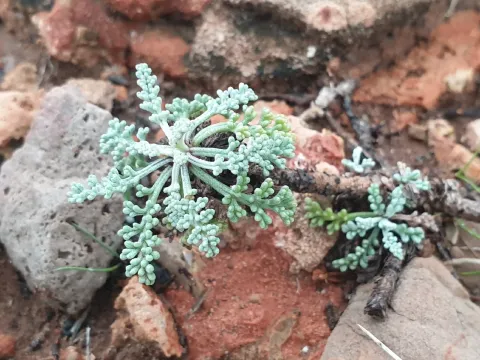
Sea wormwood
Artemisia caerulescens
Sea wormwood (Artemisia caerulescens) is a perennial herbaceous plant belonging to the Asteraceae family. It is recognized for its ability to thrive in saline environments, making it a distinct halophytic species often found in coastal and marshy regions.
What the section contains
Sea wormwood
The plant is distinguished by its silvery-blue foliage, which serves as a natural adaptation to intense sunlight and arid conditions. Its stems are typically woody at the base and reach heights of 30 to 70 cm during the peak of the growing season.
It prefers well-drained, alkaline, and sandy soils. The culture is highly resistant to drought, as it possesses a specialized root system capable of extracting moisture from poor and saline substrates where other crops would fail.
Optimal climatic conditions for this plant include warm, sunny summers with minimal rainfall. It requires high light intensity to maintain its characteristic color and essential oil synthesis, which is crucial for its commercial value.
The primary agricultural use involves the extraction of essential oils for the pharmaceutical and cosmetic industries. Furthermore, its aesthetic appeal makes it a valuable plant for xeriscaping and restoring saline soils in dry agricultural zones.
The main threat to sea wormwood cultivation is the development of fungal pathogens, particularly when the drainage is insufficient. Excessive moisture around the roots can lead to lethal root rot and wilting of the aerial parts.
Pests such as aphids and leaf miners often target the young growth of the plant during the spring. Implementing integrated pest management strategies, including the use of beneficial insects, is recommended for sustainable harvesting.
Powdery mildew represents a common challenge in regions with high humidity or poor air circulation. Removing affected parts and thinning the plant stands are effective ways to mitigate the spread of spores.
Spider mites may become problematic during periods of severe drought if the plants are stressed. Proper moisture management, without causing waterlogging, helps maintain the natural resistance of the wormwood.
Biological monitoring is essential to detect early signs of infestation. By keeping the field clean and ensuring optimal spacing between rows, farmers can significantly reduce the risk of epidemic disease outbreaks in their plantations.