
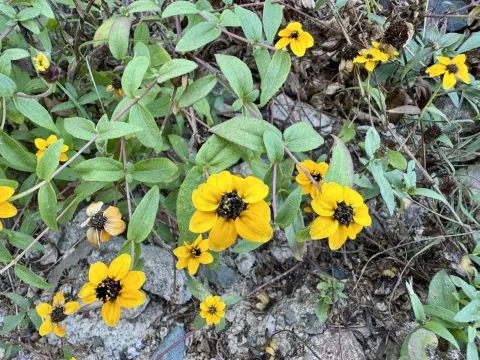
Sea Zinnia
Zinnia maritima
Sea Zinnia (Zinnia maritima) is a heat-loving annual plant belonging to the Asteraceae family. To propagate this species successfully, seeds are typically sown indoors in late winter or early spring using a well-draining, nutrient-rich potting mix.
What the section contains
Sea Zinnia
Direct sowing into the garden is advisable only after all danger of frost has passed and the soil has warmed sufficiently. The soil temperature should be at least 18 degrees Celsius to ensure rapid and uniform germination of the seeds.
Seeds should be planted at a shallow depth of about 0.5 to 1 centimeter, covered lightly with soil, and kept consistently moist until seedlings emerge. Proper spacing is crucial to prevent leggy growth during the early stages of development.
Transplanting is best performed when seedlings have developed two sets of true leaves and the threat of cold weather is gone. Acclimating the plants through a hardening-off process is essential for their survival outdoors.
Proper timing in sowing helps in achieving a continuous blooming cycle throughout the summer months. By staggering the sowing dates, gardeners can ensure that the sea zinnias remain vibrant in the landscape for a longer period.
Native to warm, sunny regions, Sea Zinnia demands full sun exposure to thrive and produce its signature blossoms. Planting them in a location that receives at least six to eight hours of direct sunlight daily is vital for optimal development.
The plant prefers fertile, well-drained soil with a neutral pH level. While it can adapt to various soil types, adding organic matter such as compost or peat improves soil structure, moisture retention, and overall plant health.
Watering requirements are moderate; however, consistent moisture is needed during the peak of the summer heat. It is critical to apply water directly to the base of the plant to avoid wetting the foliage, which reduces the risk of leaf diseases.
Fertilization with a balanced, slow-release fertilizer at the beginning of the growing season supports vigorous plant growth. A second light feeding can be provided during mid-summer to sustain the heavy production of flowers.
Sea Zinnia requires a warm climate to maintain its vigorous growth rate. Extreme temperature fluctuations or prolonged cold spells can stunt the plant, making it essential to choose a sheltered spot if the local climate is unpredictable.
Powdery mildew is the most common fungal disease affecting Sea Zinnia, especially in humid conditions or crowded garden beds. This disease manifests as a white, powdery dusting on the leaves, which can lead to wilting if left untreated.
Effective management of fungal threats involves maintaining proper plant spacing to improve airflow, which keeps the foliage dry and healthy. Removing affected parts of the plant immediately can also prevent the spread of spores.
Pests such as aphids and spider mites can cause significant stress to the plants. Aphids cluster on the underside of leaves and stems, sucking the sap and potentially transmitting viral diseases to the host plant.
Biological controls, such as introducing beneficial insects like ladybugs, can help manage aphid populations. If an infestation becomes severe, specialized insecticidal soaps or neem oil can be applied to mitigate the damage.
- Consistent monitoring of leaf undersides
- Proper sanitation of the garden bed
- Appropriate watering techniques
- Avoiding over-fertilization with nitrogen
- Using insecticidal soaps when necessary