
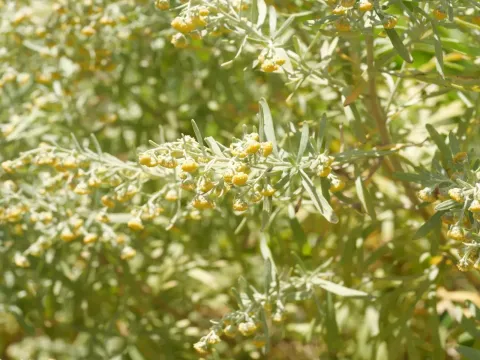
Artemisia thuscula
Artemisia thuscula
Artemisia thuscula is a perennial shrub belonging to the Asteraceae family, native exclusively to the Canary Islands. It is known for its distinct aromatic profile and adaptation to volcanic soils.
What the section contains
Artemisia thuscula
The plant thrives in Mediterranean-type climates, requiring excellent drainage and full sun exposure to flourish and maintain its structural integrity.
Soil requirements focus on alkalinity and porosity; sandy or rocky substrates are ideal to prevent root rot, which is a major risk for this species in humid conditions.
It displays a high degree of drought tolerance, making it suitable for xeriscaping or specialized agricultural plots that minimize intensive irrigation practices.
Optimal growth is observed in temperatures ranging from mild to warm, as the plant lacks significant frost resistance typically found in northern Artemisia species.
Agricultural use of Artemisia thuscula is primarily concentrated on harvesting biomass for the extraction of aromatic oils and traditional medical preparations.
Harvesting should be timed to coincide with the peak flowering phase, ensuring that the essential oil content is maximized for secondary processing.
Post-harvest techniques prioritize air-drying in shaded, ventilated environments to prevent the degradation of volatile chemical compounds within the foliage.
Management of the crop requires careful pruning to promote bushiness and maintain sustainable yields over several productive seasons per plant.
Given its endemic status, harvesting from the wild is strictly regulated, encouraging the development of sustainable cultivation practices in dedicated botanical nurseries.