
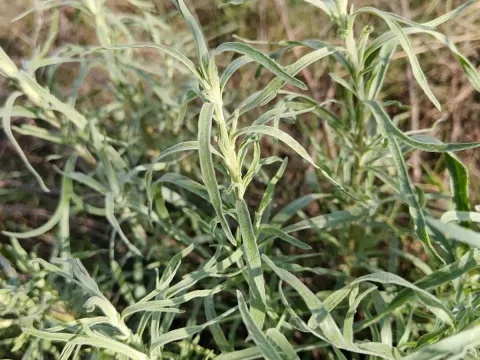
Glaucous wormwood
Artemisia glauca
Glaucous wormwood (Artemisia glauca), a member of the Asteraceae family, is a resilient perennial plant that thrives in various climatic conditions within its native range.
What the section contains
Glaucous wormwood
The seeding process is ideally conducted in early spring, once the soil has warmed up, ensuring that the seeds are barely covered by soil due to their small size.
For large-scale cultivation, precision seed drills are used to maintain consistent depth and spacing, typically setting rows 50–60 centimeters apart for optimal management.
Vegetative propagation is also a common method for this species, involving the division of mature rootstocks during the dormant season to ensure rapid establishment.
Regardless of the propagation method, maintaining adequate soil contact and surface moisture immediately after planting is crucial for the germination and initial growth phase.
This species requires full sun exposure and performs best in well-drained, sandy or loamy soils, as it is highly sensitive to waterlogging and poor drainage.
It is famously drought-tolerant, making it an excellent candidate for regions with lower annual precipitation or on marginal lands that are unsuitable for traditional crops.
The plant exhibits a broad adaptability to various soil pH levels, although it prefers slightly alkaline to neutral conditions typical of its natural steppe habitat.
Good soil aeration is vital for the health of the root system, so periodic cultivation of inter-row spaces is a standard practice to prevent crusting and ensure oxygen flow.
Temperature tolerance is a hallmark of this species, as it is capable of surviving harsh winters and emerging vigorously in the spring without the need for winter protection.
The plant is susceptible to fungal diseases such as powdery mildew, especially during seasons with high relative humidity or poor airflow within the crop canopy.
Insect pests, including aphids and leaf beetles, can occasionally cause damage to the foliage, which may necessitate the use of integrated pest management strategies.
To mitigate these threats, growers should prioritize spacing plants correctly to allow for adequate ventilation and adopt strict crop rotation schedules.
Using organic biopesticides is recommended over harsh chemicals to protect the quality of the essential oils, which are the main economic output of this plant.
Early detection through frequent field scouting is essential to contain localized infestations before they spread across the entire plantation area.
Harvesting should be timed precisely with the peak flowering stage, which ensures the highest possible concentration of therapeutic compounds and essential oils.
Mechanical harvesting tools are used to cut the plants at a height that allows the crown to remain intact, facilitating vigorous regrowth for subsequent harvest cycles.
The harvested plant material must be dried immediately in a clean, shaded, and well-ventilated environment to prevent fermentation and loss of volatile components.
Proper drying prevents the development of mold, which can destroy an entire batch of herbal material if the moisture content remains too high during storage.
Once dried to the required specifications, the product is packaged and stored in temperature-controlled facilities to preserve its chemical profile for market distribution.