
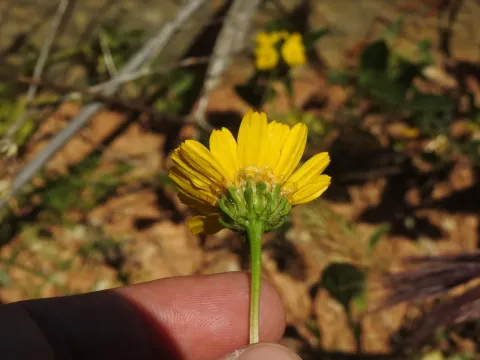
Glossopappus
Glossopappus
Glossopappus is a genus of herbaceous plants belonging to the Asteraceae family, typically found in Mediterranean climates where they thrive in natural landscapes.
What the section contains

Glossopappus
Sowing should be carried out in autumn or early spring to align with the plant's natural growth cycle, ensuring that seeds have adequate contact with moist soil.
The seeds are relatively small, which requires shallow planting depth—usually no more than 1 to 2 centimeters—to ensure uniform emergence and successful seedling establishment.
Row spacing should be maintained between 25 and 30 centimeters to allow for optimal airflow and root development, reducing competition for resources among individual plants.
Proper field preparation is essential; the soil should be fine-textured to facilitate the germination process and ensure that seedlings receive enough nutrients from the start.
This crop prefers well-drained, sandy or loamy soils with a neutral pH, and it is particularly sensitive to waterlogging, which can be detrimental to its root system.
Glossopappus requires full sun exposure to flourish; shaded environments will lead to leggy, weak plants with significantly reduced vegetative growth and seed production.
While the plant shows good resilience to temporary drought conditions, consistent moisture is necessary during the active vegetative stage to maximize total biomass.
Temperature management is crucial; the plant prefers a temperate climate and does not tolerate severe frost, which can cause significant damage to the plant tissues.
Balanced fertilization, particularly the application of phosphorus and potassium, helps improve the plant's overall strength and resistance to environmental stress.
Fungal diseases, such as powdery mildew and root rot, represent the primary threat to the crop, especially when cultivated in areas with poor ventilation or high humidity.
Insects like aphids and certain beetles are known to feed on the leaves and flowering parts of Glossopappus, potentially reducing both the quality and quantity of the harvest.
Integrated pest management strategies are recommended, focusing on early detection and the use of cultural practices that discourage the proliferation of pests.
Crop rotation is a vital tool to prevent the build-up of soil-borne pathogens that commonly affect members of the Asteraceae family.
- Regular field scouting
- Removal of infected debris
- Use of resistant varieties where available