
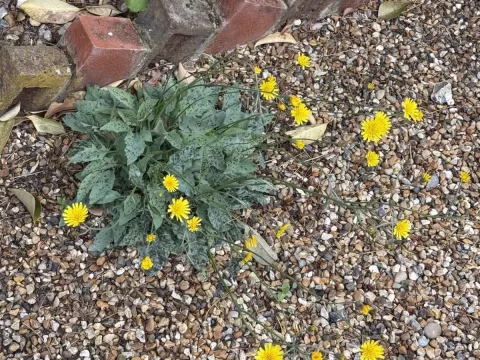
Glaucous Hawkweed
Hieracium glaucinum
Glaucous Hawkweed (Hieracium glaucinum) is a perennial herbaceous plant belonging to the large Asteraceae family. It is recognized for its characteristic glaucous foliage and distinct habit of growth in mountain environments.
What the section contains
Glaucous Hawkweed
The origin of this species is linked to the European mountain ranges. It is well-adapted to surviving in harsh, rocky terrains where many other crop species fail to thrive due to nutrient scarcity.
Successful cultivation requires soil with excellent drainage. The plant performs best in sandy or gravelly soil profiles that prevent waterlogging and maintain necessary aeration for the roots.
Sunlight requirements are high, as the species is heliophilic. Placing the plant in a shaded area will typically result in stunted growth and a significant reduction in the density of the foliage.
Regarding agrotechnology, the plant requires very little maintenance. It is considered an undemanding crop that efficiently utilizes the mineral content present in natural soil, requiring minimal fertilization.
The economic usage of Glaucous Hawkweed includes its role in specialty phytotherapeutic preparations and as a sustainable component in rock garden landscaping projects.
Harvesting the aerial parts of the plant is ideally performed during the peak flowering stage. This timing ensures the highest concentration of active compounds within the plant tissues.
Post-harvest processing involves immediate drying in a controlled environment. Keeping the temperature stable and ensuring constant airflow are critical steps for maintaining the quality of the raw material.
Storage should be handled with care, ensuring that the dried material is kept in a dry, cool place away from moisture. Proper packaging prevents the loss of aromatic or active properties.
When collecting seeds, one must act promptly before the achenes with their pappus are dispersed by the wind. Careful monitoring of the seed heads is recommended to ensure high-quality yields.