
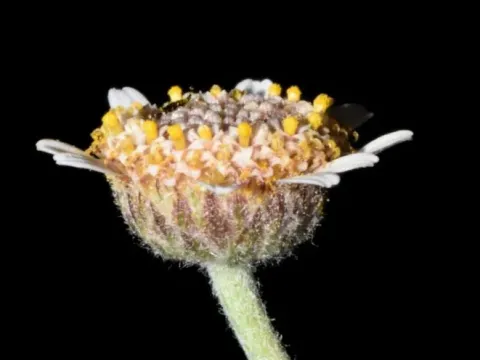
Anthemis edumea
Anthemis edumea
Anthemis edumea is a flowering herbaceous plant belonging to the Asteraceae family. Known for its distinct botanical traits, this species reflects the typical characteristics of the Anthemis genus, including specialized adaptation to rocky or arid environments.
What the section contains
Anthemis edumea
The native range of this species primarily covers the Eastern Mediterranean region. It is naturally suited to open, high-light environments where it can thrive despite limited precipitation and high summer temperatures typical of its habitat.
From an agronomic perspective, this plant requires well-draining soil to ensure the health of its root system. Sandy or calcareous soils are preferred, as they mimic the natural growing conditions and prevent the accumulation of excess moisture that leads to root rot.
Effective agricultural management involves minimal tillage and careful weed control, especially during the seedling stage. Providing adequate spacing is essential to encourage air circulation and prevent the development of fungal pathogens during the growth cycle.
The commercial potential of Anthemis edumea lies in its application in the pharmaceutical and cosmetic industries. The plant is valued for its specific phytochemical profile, which is extracted from the inflorescences for various medicinal and health-promoting preparations.
The plant is susceptible to several fungal diseases, particularly when environmental conditions involve high humidity without sufficient air movement. Maintaining dry, airy conditions is the primary preventive measure against fungal outbreaks in the field.
Insect pests, such as aphids and flower-feeding larvae, represent a significant risk during the blooming period. Integrated pest management strategies, including the use of beneficial predators, are recommended to maintain high-quality crop yields without excessive chemical use.