
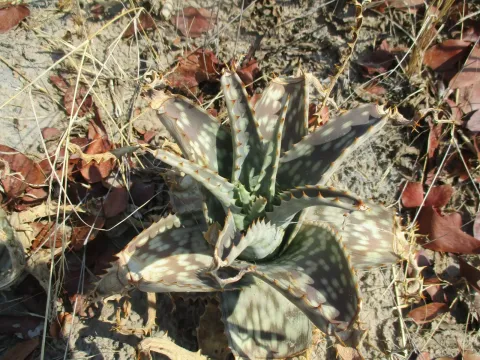
Zebra Aloe
Aloe zebrina
Zebra Aloe (Aloe zebrina) is a member of the Asphodelaceae family. This succulent perennial is native to the arid regions of Southern Africa, thriving in environments characterized by limited rainfall and nutrient-poor, sandy soils.
What the section contains
Zebra Aloe
The cultivation of this crop requires well-draining soil mixtures, typically involving a high percentage of grit or coarse sand. Proper drainage is essential to mimic the plant's natural habitat and prevent the moisture-related physiological disorders common in succulents.
The plant demonstrates distinct botanical features, including thick, spotted, succulent leaves arranged in a basal rosette. The pattern is a key diagnostic feature, consisting of irregular transverse bands that provide both ornamental value and a means to regulate water loss.
Climatic requirements focus on high solar radiation and warmth. The optimal growth temperature ranges from 20 to 30 degrees Celsius. Exposure to temperatures below 5 degrees Celsius can cause significant tissue damage, making frost protection a mandatory requirement in temperate climates.
Agrotechnical practices emphasize a cyclical approach: active growth with moderate irrigation during the warm season and a distinct dry, dormant period during the winter. Excessive fertilization is discouraged, as it promotes soft tissue growth that is prone to physical damage and pest infestations.
Root rot, driven by excessive moisture and poor soil aeration, remains the primary threat to Aloe zebrina populations. Pathogenic fungi such as Pythium or Phytophthora often exploit damp conditions to compromise the root structure, leading to systemic failure.
Insect pests, including mealybugs and aphids, pose a consistent risk during the peak growing season. These pests congregate at the base of the leaves and within the central rosette, causing stunted growth and leaf deformation due to sap extraction.
Bacterial leaf spot is another concern, typically manifesting as water-soaked lesions that turn brown or black. This infection is closely linked to poor air circulation and high humidity levels around the foliage, necessitating proper spacing and ventilation.
Integrated Pest Management (IPM) strategies are recommended for control, starting with the selection of healthy, disease-free planting material. Physical removal of infected leaves and mechanical cleaning of the rosette can effectively minimize the spread of localized infections.
Regular monitoring of the foliage for signs of chlorosis or unusual softening is critical for early detection of problems. Maintaining a dry, well-ventilated environment is the most effective preventative measure against the diverse range of biotic stressors affecting this crop.